

A spa visit can be a genuinely lovely way to rest, recharge, and ease some of the physical discomforts that come with pregnancy. But knowing what is and is not appropriate when pregnant in a spa setting makes the difference between a relaxing experience and one that raises unnecessary concerns. This guide covers the treatments generally considered safe during pregnancy, the ones worth avoiding, and the precautions worth keeping in mind. The most important thing to say upfront: always check with your doctor or midwife before booking any treatment, especially if your pregnancy involves any complications or additional risk factors.
Can pregnant women go to a spa?
Can pregnant women go to a spa? In most cases, yes. Visiting a spa during pregnancy is generally considered safe and can be a helpful way to manage stress, ease muscle tension, and take some time for yourself during what can be a physically and emotionally demanding period. Many spas offer treatments specifically adapted for pregnancy, and with the right choices, a spa day can be both safe and genuinely restorative.
That said, some precautions apply. Not all treatments are appropriate during pregnancy, and some spa environments, particularly those involving intense heat, are best avoided altogether. Many spas also prefer to wait until after the first trimester before offering certain treatments, both as a general safety measure and because this is the period during which the pregnancy is most in flux. If your pregnancy is high-risk or involves any complications, checking with your doctor before booking is especially important.
Spa treatments for pregnant women: what is generally considered safe
The list of spa treatments for pregnant women that are generally considered compatible with pregnancy is longer than many people expect. Here is a treatment-by-treatment overview:
Prenatal massage
A massage performed by a therapist trained in prenatal bodywork is one of the most beneficial treatments available during pregnancy. Prenatal massage uses adapted positioning, typically with the mother supported on her side or with specialist cushioning, and avoids any pressure on areas that require caution. Many practitioners prefer to wait until after the first trimester, though this is often a matter of individual policy rather than a universal medical guideline. The key is that the therapist is specifically trained in pregnancy massage: this is not an area where a standard massage approach is simply applied with a few modifications.
Gentle facials
Most gentle facial treatments are considered safe during pregnancy. Hydrating masks, mild exfoliation, and basic skin-care facials are generally fine. The main things to avoid are treatments involving harsh chemical exfoliants, particularly products containing beta hydroxy acids such as salicylic acid in high concentrations, or any facial that uses significant heat. Let the therapist know you are pregnant before the treatment so they can adjust the products used.
Body scrubs
A gentle, fragrance-free body scrub is generally considered safe during pregnancy. The main things to keep in mind are to avoid added heat, very strong fragrances, and harsh products. If the scrub is followed by any kind of wrap or heat application, that element should be skipped. A simple, gentle exfoliation without additional thermal elements is the safer option.
Manicures and pedicures
Nail treatments are generally considered safe during pregnancy, provided the salon is well-ventilated and uses hygienic practices. Good ventilation matters because some nail products produce fumes that are best not inhaled in enclosed spaces for extended periods. If you have any concerns about specific products being used, it is worth asking the salon in advance.
Hair removal: waxing and threading
Waxing and threading are generally considered safe during pregnancy, though skin can be more sensitive than usual due to hormonal changes, so it is worth being prepared for that. Laser hair removal, however, is generally recommended to be postponed until after pregnancy, as there is insufficient evidence on its safety during this period.
Spa treatments to avoid during pregnancy
Some treatments are best avoided during pregnancy, primarily because of the risk of raising core body temperature or because of pressure on areas that require caution:
Saunas, steam rooms, hot tubs and body wraps
Any treatment that involves prolonged exposure to significant heat is generally advised against during pregnancy. This includes dry saunas, steam rooms, hot tubs, and body wraps that generate or retain heat. The concern is that sustained elevated body temperature may not be advisable during pregnancy. This applies particularly in the first trimester but is generally considered worth avoiding throughout. If you are unsure about a specific facility or treatment, ask your doctor.
Reflexology and deep pressure on hands and feet
Reflexology involves applying pressure to specific points on the feet and hands that are traditionally associated with different areas of the body. Some of these points are considered by practitioners to be contraindicated during pregnancy. Deep massage focused on the feet and hands is therefore generally approached with caution, and many therapists prefer to avoid reflexology altogether with pregnant clients.
Harsh chemical facial treatments
Facial treatments involving strong chemical exfoliants, such as high-concentration salicylic acid peels or retinoid-based treatments, are generally recommended to be avoided during pregnancy. Gentler alternatives exist for most skin concerns and are a better option during this period.
Contrast circuits and extreme temperature changes
Moving rapidly between very hot and very cold environments, as in some thermal contrast circuits, is generally not recommended during pregnancy. If you are visiting a spa with a thermal circuit, it is worth asking specifically which elements are suitable and getting guidance from your doctor beforehand.
Precautions worth knowing for pregnant women at the spa
Beyond specific treatments, there are some general precautions that make a spa visit more comfortable and safer for pregnant women. Being aware of them before you go means you can enjoy the experience with more confidence.
Let the spa know you are pregnant when you book. This allows the spa for pregnant women to be prepared: therapists can adapt their approach, unsuitable treatments can be avoided from the start, and the team can suggest the options that work best for your stage of pregnancy. A good spa will appreciate knowing in advance rather than finding out on arrival.
Choose fragrance-free or pregnancy-safe products where possible. Some essential oils and strong fragrances are traditionally recommended to be avoided during pregnancy. If you are unsure about a specific product, ask the therapist before the treatment begins.
Stay hydrated throughout your visit and do not push through any discomfort. Pregnancy changes how the body responds to heat, physical pressure, and extended time in warm environments. If anything feels uncomfortable or wrong, the right response is always to stop and rest.
And, once more: consult your doctor or midwife before booking, particularly if your pregnancy involves any complications, risk factors, or if you have any specific concerns. This guide reflects what is generally considered appropriate, but individual circumstances vary and your healthcare provider is the right person to give you personalised guidance.
A wellness experience for expecting mothers at AIRE
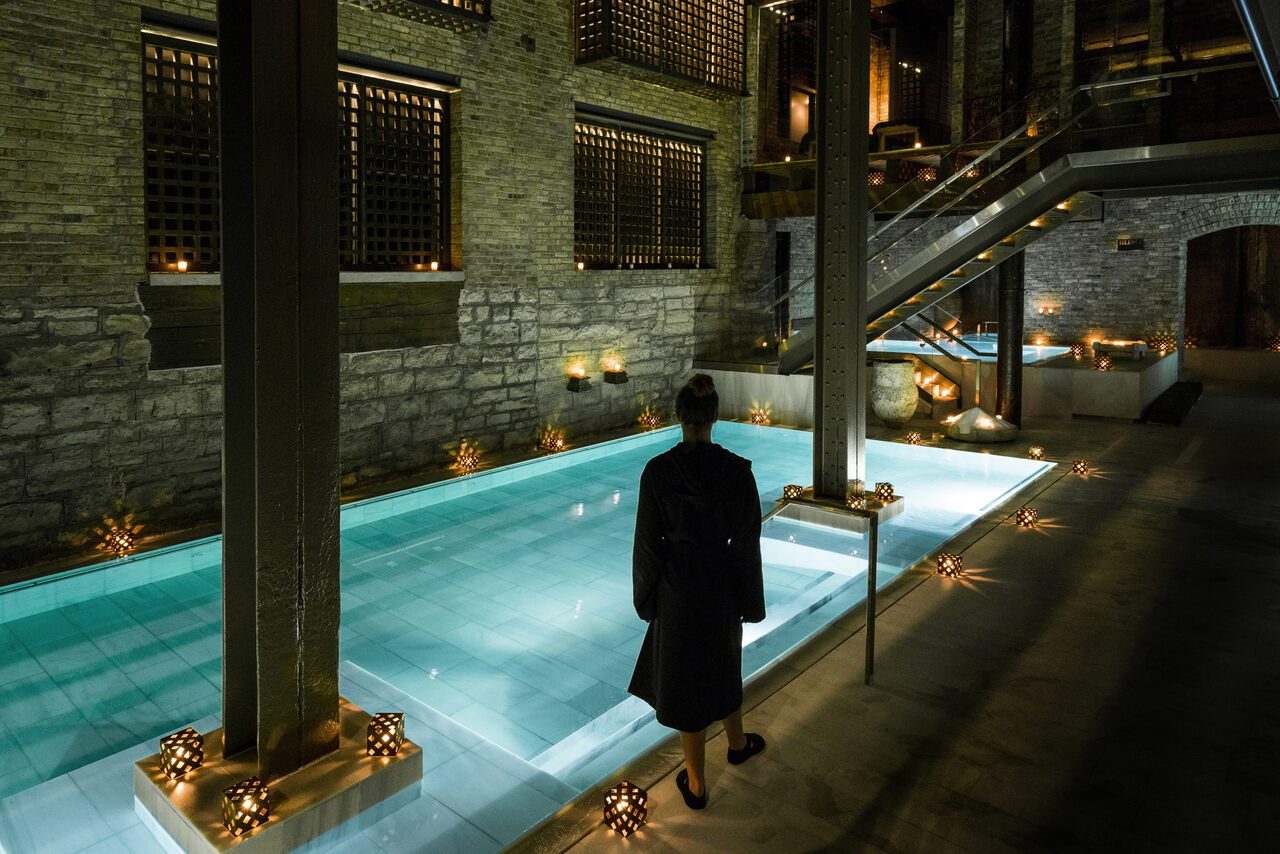
At AIRE Ancient Baths, pregnancy is something we take seriously when it comes to planning a visit. If you are expecting and would like to enjoy a spa experience, we recommend contacting your nearest AIRE location directly before booking, so the team can advise on which treatments and spaces are most suitable for your stage of pregnancy and help you put together a visit that feels both safe and genuinely restorative.
Some elements of the AIRE thermal circuit may not be appropriate during pregnancy, while others can be enjoyed with peace of mind when the right precautions are in place. The team is happy to discuss your options and tailor the experience accordingly. Gift cards are also available for those who want to plan a spa day for after the birth, or to give someone the gift of a future wellness experience to look forward to.
Frequently asked questions about spa and pregnancy
Can pregnant women go to a spa?
In most cases, yes. A spa visit during pregnancy can be a safe and beneficial way to rest and ease physical discomforts, provided the right treatments are chosen and any treatments that raise core body temperature or involve deep pressure on certain areas are avoided. Checking with a doctor before booking is always recommended, particularly in a high-risk pregnancy.
What spa treatments are safe during pregnancy?
Treatments generally considered safe during pregnancy include prenatal massage performed by a trained therapist, gentle facials without harsh chemical exfoliants, fragrance-free body scrubs without added heat, manicures and pedicures in a well-ventilated space, and waxing or threading for hair removal. In all cases, letting the therapist know about the pregnancy in advance allows them to adapt their approach appropriately.
Can pregnant women get a massage?
Yes, with the right approach. A prenatal massage performed by a therapist specifically trained in pregnancy bodywork is generally considered one of the safest and most beneficial spa treatments during pregnancy. The key factors are that the therapist has relevant training, that positioning is adapted to support the pregnant body comfortably, and that any areas requiring caution are respected. Many practitioners prefer to wait until after the first trimester, though this varies.
Why should pregnant women avoid saunas and steam rooms?
Saunas, steam rooms and hot tubs involve sustained exposure to high temperatures, which is generally advised against during pregnancy. The concern relates to the potential effect of raising core body temperature for extended periods. This is considered particularly important in the first trimester but is generally recommended to be avoided throughout pregnancy. If there is any uncertainty about a specific facility, checking with a doctor is the safest approach.
What spa treatments should pregnant women avoid?
Treatments generally recommended to be avoided during pregnancy include saunas, steam rooms, hot tubs, and body wraps that generate or retain heat; reflexology and deep pressure on the feet and hands; harsh chemical facial peels such as high-concentration salicylic acid treatments; and contrast thermal circuits involving rapid shifts between very hot and very cold environments. When in doubt about any specific treatment, consulting a doctor before the appointment is always the right step.