

If you’ve ever stood between the sauna and steam room doors at a spa, wondering which to choose, you’re not alone. Understanding the difference between sauna and steam room can help you decide which experience suits your preferences, comfort level, and wellness goals. This guide walks you through how each feels on your skin and breathing, what to expect during a session, comfort factors to consider, and safety basics. Remember, this is wellness information, not medical advice, always consult a healthcare professional if you have specific health concerns.
What a Sauna is and How it Works
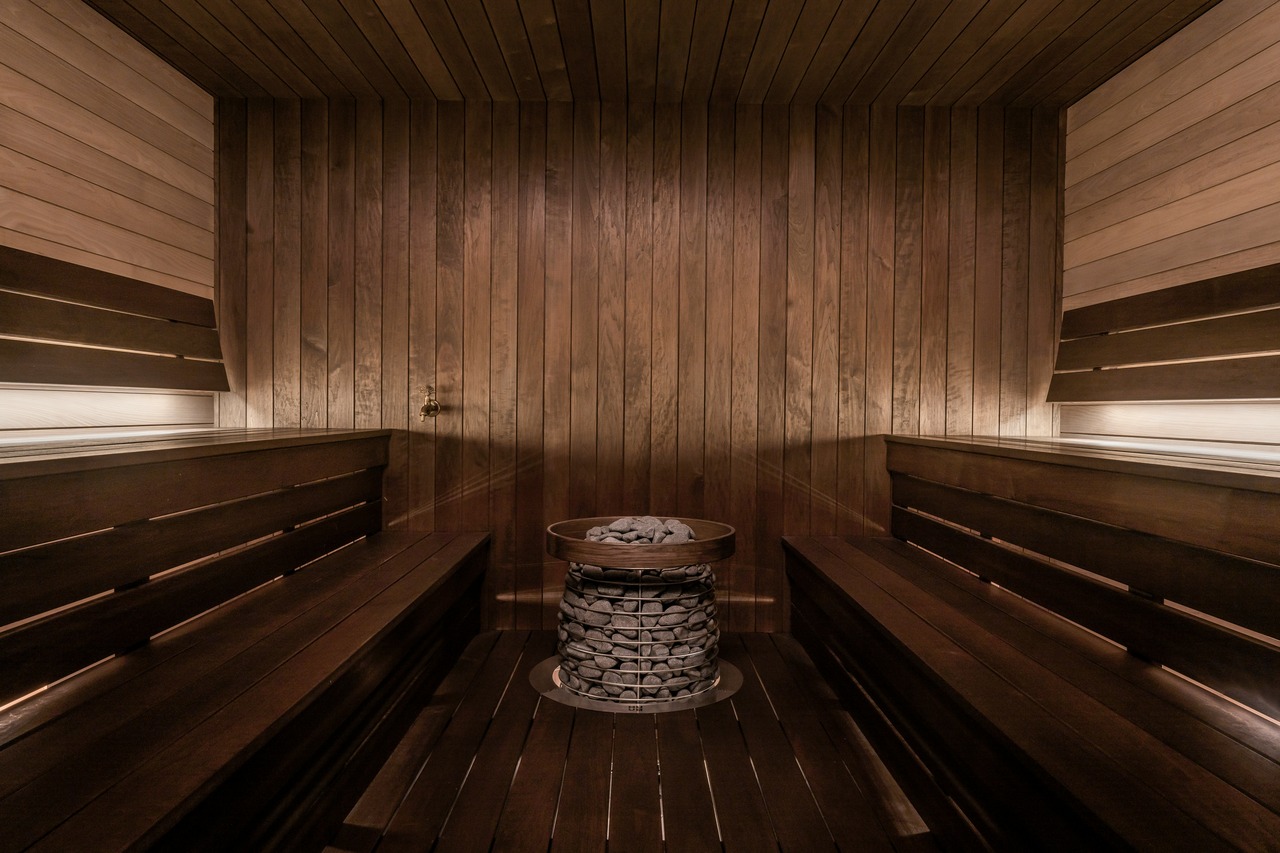
A sauna is a heated room designed to induce sweating through dry heat. Traditional saunas typically operate at temperatures between 150-195°F (65-90°C), though some can go higher. The heat is usually generated by a stove that warms rocks, which then radiate heat throughout the room. Some people pour water over the heated rocks to create brief bursts of steam, but overall humidity remains low (typically 10-20%).
The room itself is usually constructed from wood, often cedar, pine, or hemlock, which naturally tolerates high heat and provides a pleasant aroma. Ventilation systems ensure fresh air circulation while maintaining the intense temperature.
Inside a sauna, you’ll experience what’s often called a «dry sweat.» Your skin heats rapidly, pores open, and perspiration flows freely. The air feels hot but breathable. Sessions are typically done in short rounds: 10-15 minutes inside, followed by a cool-down period (cold shower, cool air, or rest), then optionally repeating the cycle. This alternating pattern is part of the traditional sauna ritual and helps your body manage the intense heat exposure.
What a Steam Room is and How it Works
A steam room, also known as a wet sauna, operates on an entirely different principle. Instead of dry heat, it uses moist heat generated by a steam generator that boils water and releases vapor into the enclosed space. The result is near-100% humidity at lower temperatures, typically 110-120°F (43-49°C).
Despite the lower temperature compared to saunas, steam rooms often feel hotter due to the humidity. The thick, moist air makes heat feel more intense and enveloping. Visibility is usually reduced due to the dense steam filling the room, creating a cloud-like atmosphere. Surfaces are typically tile, stone, or other non-porous materials that handle constant moisture without deteriorating.
Inside a steam room, your skin takes on a «dewy» quality almost immediately as condensation from the steam settles on your body. Breathing feels different, the air is heavy and warm, which some find soothing and others find intense. Sessions in steam rooms often feel shorter than sauna sessions because the humidity can be more taxing on your cardiovascular system, even though the actual temperature is lower. Most people spend 10-15 minutes maximum per session.
The difference between steam room and sauna becomes immediately apparent the moment you step into each: one envelops you in dry, intense heat; the other wraps you in warm, thick moisture.
Key Differences Between Sauna and Steam Room
Here’s a compact comparison of sauna vs steam room to help you understand what sets them apart:
|
Feature |
Sauna |
Steam Room |
|
Temperature |
150-195°F (65-90°C) |
110-120°F (43-49°C) |
|
Humidity |
Low (10-20%) |
Very high (near 100%) |
|
Skin feel |
Dry sweat, skin heats rapidly |
Dewy, moisture settles on skin |
|
Breathing feel |
Hot but dry air, easier to breathe deeply |
Heavy, moist air, can feel intense |
|
After-effects |
Dry skin initially, may need moisturizing |
Skin feels hydrated and soft |
|
Typical session |
10-15 min rounds with breaks |
10-15 min single sessions |
|
Pore sensation |
Deep sweating, purging feel |
Steam opening pores, softening feel |
|
Room materials |
Wood (cedar, pine) |
Tile, stone, glass |
The difference between dry and wet sauna is essentially this humidity factor, dry saunas use minimal moisture, while steam rooms (wet saunas) maximize it. Similarly, when considering the difference between infrared and steam saunas, infrared saunas use light waves to heat your body directly at lower ambient temperatures (120-140°F), while steam saunas rely on moist heat from boiling water.
Bottom line: Try both safely to discover which environment your body prefers. Some people alternate depending on their mood or goals for the day.
Potential Benefits & Who Might Prefer Each
Both saunas and steam rooms offer experience-based benefits, though individual responses vary. Here’s what users commonly report:
Sauna benefits and preferences:
-
Deep relaxation and mental clarity from the dry heat
-
Muscle ease after workouts, the heat may help soothe tension
-
Preferred by those who enjoy intense heat but want to breathe easily
-
Good for people who want to incorporate cold plunges between rounds
-
May feel less claustrophobic due to better visibility
Steam room benefits and preferences:
-
Perceived skin clarity, the moisture may help soften and hydrate skin temporarily
-
Respiratory comfort for some (though not suitable for everyone)
-
Preferred by those who enjoy the sensation of warm, moist air
-
Good for shorter bursts when time is limited
-
May feel more enveloping and cocoon-like

Who might prefer sauna:
-
People who dislike humidity or find it hard to breathe in moist environments
-
Those who enjoy longer sessions with multiple rounds
-
Individuals seeking a traditional heat experience
Who might prefer steam room:
-
People with dry skin who appreciate the moisture
-
Those who prefer a gentler temperature
-
Individuals who enjoy a spa-like, misty atmosphere
Remember, these are experiential observations, not clinical guarantees. Your personal preference is what matters most.
Safety Basics
Whether you choose sauna or steam room, following these safety guidelines ensures a positive experience:
Before your session:
-
☑ Hydrate well, drink water before entering
-
☑ Avoid alcohol completely, it impairs your body’s temperature regulation
-
☑ Don’t eat a heavy meal right before
-
☑ Remove jewelry (metal heats up quickly)
During your session:
-
☑ Respect time limits: 10-15 minutes maximum per round
-
☑ Sit on a towel for hygiene and comfort
-
☑ Exit immediately if you feel dizzy, nauseous, or uncomfortable
-
☑ Breathe normally; don’t force deep breaths if the air feels too intense
After your session:
-
☑ Cool down gradually, take a lukewarm shower first, then cooler
-
☑ Rehydrate thoroughly with water or electrolyte drinks
-
☑ Rest for at least 10-15 minutes before resuming activities
-
☑ Moisturize your skin, especially after sauna sessions
When to consult a healthcare provider first:
-
☑ Cardiovascular conditions (heart disease, high/low blood pressure)
-
☑ Respiratory issues (asthma, COPD, steam can trigger symptoms)
-
☑ Pregnancy (heat exposure needs medical clearance)
-
☑ Active fever or illness
-
☑ Recent surgery or injury
-
☑ Taking medications that affect heat tolerance
Listen to your body. If something feels wrong, it probably is, exit and cool down. Both sauna and steam room can be wonderful wellness experiences when approached mindfully and safely.
This article is for informational purposes only and does not replace professional medical advice. If you have health conditions or concerns about heat exposure, consult with a qualified healthcare provider before using saunas or steam rooms.