

Salt baths represent an ancient wellness ritual that harnesses the properties of salt water to promote deep relaxation and skin hygiene. From Roman thermal baths to modern spas, this practice has endured through centuries because it connects simply with a fundamental human need: to rest, release tension, and care for the body. This guide will help you understand what salt baths are used for, how to prepare them correctly at home, and what precautions to take to enjoy them safely.
What are Salt Baths For? The Power of Salt Water
Understanding what are salt baths for is essential to appreciating this wellness practice. The answer encompasses both physical and mental aspects. What is salt water good for has its foundation in a natural process called osmosis, through which water and minerals move across cell membranes seeking concentration balance.
When you immerse your body in salt water, an osmotic gradient is created. This process may help draw impurities, excess fluids, and toxins toward the skin’s surface, promoting a sensation of deep cleansing. This is why salt baths for cleansing have been traditionally valued as part of purification rituals.
Muscle relaxation
Hot water combined with mineral salts promotes the feeling of relief in tense or fatigued muscles. Heat dilates blood vessels, which could promote better circulation, while the magnesium present in many salts (especially Epsom salt) is traditionally associated with muscle relaxation. Many people report feeling less heaviness and stiffness after a salt bath.
Physical and mental cleansing
Salt baths for cleansing don’t only refer to skin hygiene. There’s an important psychological dimension: the act of immersing yourself in warm salt water creates a pause space where you symbolically «release» the day’s stress.
Skin support
Salt water may help soften skin, remove superficial dead cells, and provide minerals that nourish the skin barrier. These are complementary effects to your usual care routine, not substitutes for medical treatments.
Rituals to Relax Naturally at Home
Creating a salt bath ritual at home is simpler than it seems. You don’t need a luxurious spa; just intention, dedicated time, and some basic elements.
Steps to create your wellness rituals:
- Prepare the space: Clean the bathtub, ensure the environment is warm and comfortable.
- Adjust the lighting: Turn off main lights and light candles. Dim lighting promotes nervous system relaxation.
- Choose your music or silence: Soft music, nature sounds, or total silence according to what you need.
- Prepare the water: Fill the tub with water at a comfortable temperature (36-38°C/97-100°F).
- Add the salt: Add the appropriate amount according to the type of salt you use.
- Incorporate optional elements: Essential oils (lavender, eucalyptus, rose), dried flower petals, or aromatic herbs.
- Immerse yourself consciously: Enter slowly, breathe deeply, feeling tension begin to dissolve.
- Stay present: Use this time to simply be, without distractions.
Types of salts for your wellness rituals:
- Epsom salt (magnesium sulfate): Rich in magnesium, traditionally associated with muscle relaxation. The Epsom salt benefits include promoting a sense of calm and ease. Typical dose: 1-2 cups per bath.
- Sea salt: Contains various minerals (sodium, potassium, calcium, magnesium) that may nourish the skin. Typical dose: 1/2 – 1 cup per bath.
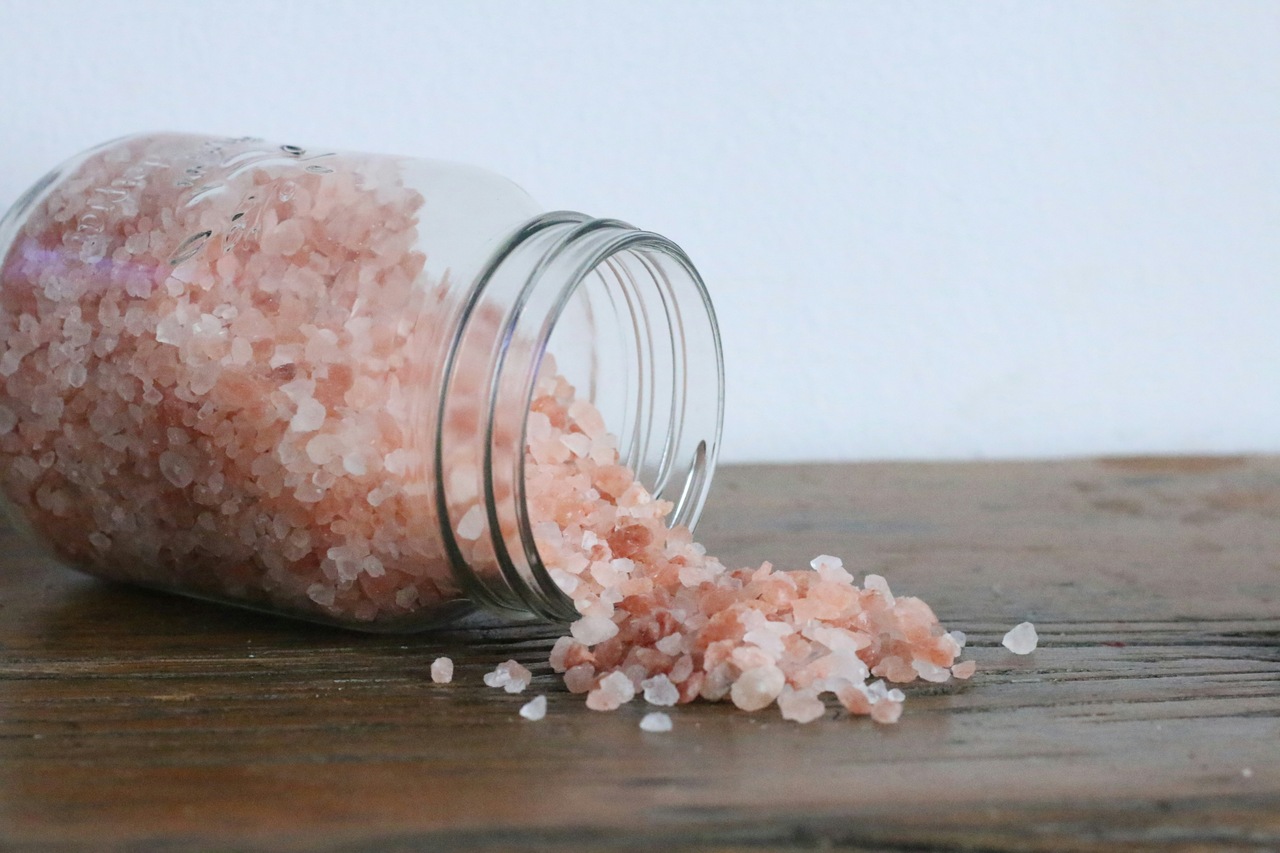
- Himalayan salt: Pink salt rich in trace minerals. Typical dose: 1/2 – 1 cup per bath.
- Aromatic bath salts: Commercial blends with essential oils and dried herbs. Follow manufacturer’s instructions.
These salt rituals become self-care anchors that signal to your mind and body that it’s time to rest.
Precautions and Contraindications for a Safe Bath
While salt baths are generally safe for healthy people, there are situations where this practice should be avoided or approached with caution.
Avoid salt baths if you have:
- Open wounds or recent cuts: Salt water can irritate and cause intense stinging.
- Fever or active infection: Bath heat can further raise body temperature.
- Acute skin infections: Such as severe eczema flare-up or active psoriasis without medical control.
- Uncontrolled hypertension: Hot water can affect blood pressure. Consult your doctor.
- Pregnancy without medical approval: Especially during the first trimester. Always consult with your obstetrician.
- Severe varicose veins: Excessive heat can worsen the condition. Use warm, not hot, water.
Salt bath precautions:
- If you have very dry or sensitive skin, reduce the amount of salt and bath duration.
- People with diabetes should be careful with water temperature.
- If you take medications that affect circulation or blood pressure, consult your doctor first.
- Drink water before and after the bath to compensate for fluid loss.
Important: If you have any chronic medical condition or doubts, consult with a healthcare professional. This article offers general information and does not replace personalized medical advice.

Jose Danilo
Benefits of Salt Baths for Wellbeing
The benefits of salt baths are valued by millions of people as part of their natural wellbeing routines. It’s important to frame these benefits as perceptions and common experiences, not medical guarantees.
Perceived relief of muscle tension
Many people report that immersing in warm salt water may help relax tense muscles, especially after intense exercise or long work days. Heat combined with minerals could promote a sensation of relief.
Support for skin hygiene
Salt water promotes the feeling of clean and soft skin. Some users notice their skin feels smoother and renewed after a salt bath, possibly due to the gentle exfoliation provided by salt crystals.
Deep relaxation and stress reduction
The act of dedicating time to a bath ritual, stepping away from screens and responsibilities, may help calm the nervous system. The tranquil environment, comfortable temperature, and aroma work together to promote mental peace.
Perceived sleep improvement
Some people find that taking a salt bath at night, approximately one hour before bedtime, could promote more restorative sleep.
Mindfulness moment
The salt bath can become a mindfulness practice, where you focus on physical sensations, breathing, and the present moment.
These natural wellbeing benefits are experienced very personally. The invitation is to explore with curiosity and without rigid expectations.
Practical Guide: How to Prepare Your Home Bath Ritual
To ensure your experience is safe and truly relaxing, here’s a practical guide on how to relax naturally with a salt bath:
Appropriate water temperature: Between 36-38°C (97-100°F). It should feel warm and comforting, not scalding. Test with your elbow or wrist.
Recommended duration: 15-30 minutes is sufficient. Longer baths can dehydrate skin and cause dizziness. Listen to your body.
Suggested frequency: 1-3 times per week is reasonable. Daily use can dry out skin. Observe how your skin responds and adjust.
Salt amount:
- Epsom salt: 1-2 cups (250-500g) for a standard bathtub
- Sea salt or Himalayan salt: 1/2 – 1 cup (125-250g)
- Commercial aromatic salts: follow package instructions
Optional complements:
- Essential oils: 5-10 drops (lavender, eucalyptus, chamomile, bergamot)
- Dim lighting: candles or soft LED lights
- Soft music: relaxing playlist or nature sounds
- Rolled towel: as a neck pillow
After the bath:
- Exit slowly to avoid dizziness
- Rinse briefly with warm water if salt feels sticky
- Pat dry gently
- Apply moisturizing cream while skin is still slightly damp
- Drink a glass of water to rehydrate
- Rest 10-15 minutes before resuming intense activities
These salt rituals, when practiced regularly and consciously, can become a pillar of your self-care routine, offering a calm refuge amid daily life. Understanding how to relax naturally through this ancient practice connects you with centuries of wellness wisdom.
This article is for informational purposes and does not replace professional medical advice. If you have specific health conditions or doubts about whether salt baths are appropriate for you, consult with a healthcare professional.