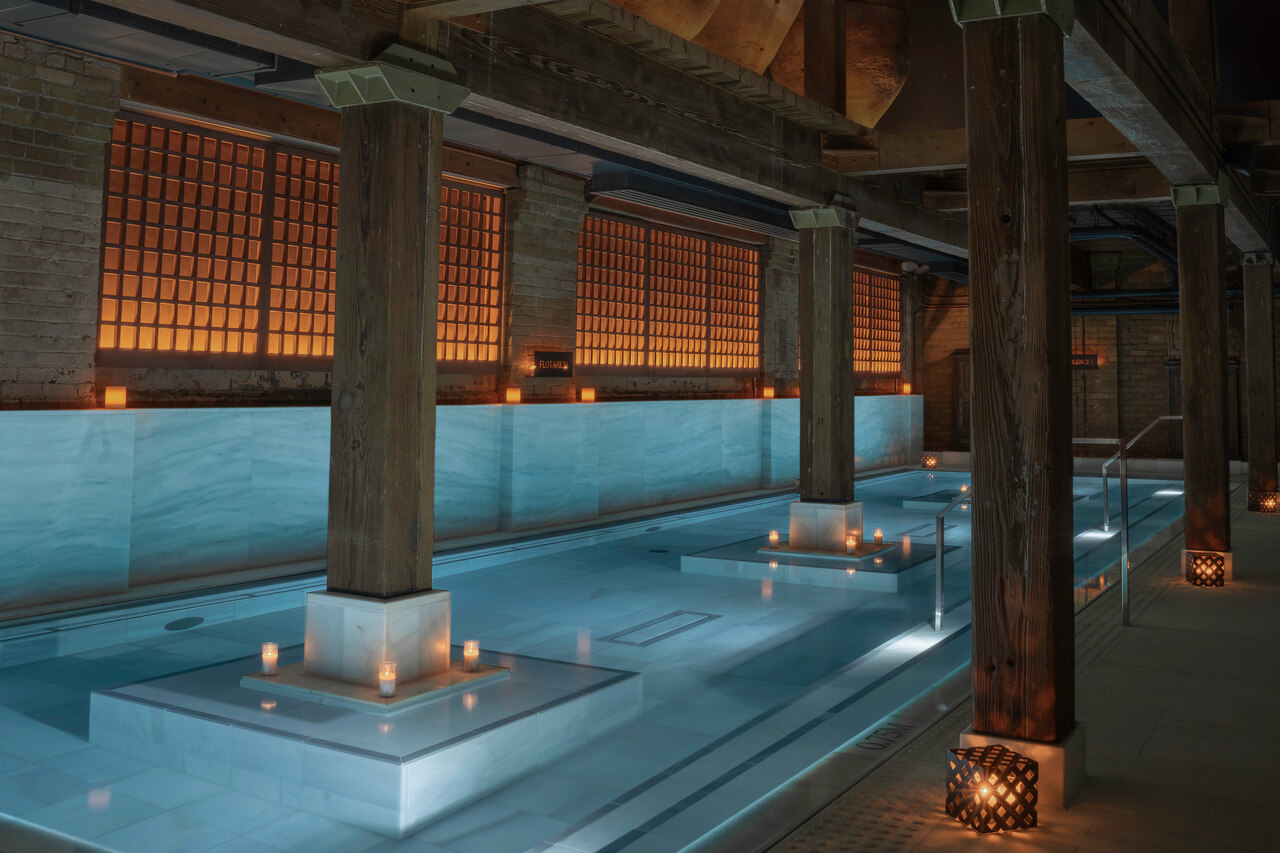


Choosing between a thermal bath and a spa can feel overwhelming when both promise relaxation and renewal. Yet understanding the difference between thermal bath and spa experiences helps you select the one that truly matches your needs, whether you’re seeking therapeutic long-term wellness rooted in mineral-rich waters or an immediate sensory escape from daily stress. This guide explores how hydrotherapy services, sensory rituals, and massage treatments adapt to each space, offering you a detailed comparison to make an informed decision about your next wellness journey.
Water as the Center of Wellbeing: A Guide
Water has been revered for centuries as a source of healing, renewal, and spiritual cleansing. From ancient Roman baths to traditional Japanese onsen, cultures worldwide have recognized water’s power to dissolve tension, quiet the mind, and restore the body to its natural state of balance.
Today, this timeless tradition continues through modern water wellness experiences that invite you into a state of suspension, a place where time slows, stress dissolves, and you reconnect with the rhythms of your own breath and heartbeat. Whether submerged in a warm pool or enveloped by gentle steam, water creates an immersive experience that transcends the ordinary.
The motivation to seek these moments of lightness is deeply human. In our accelerated world, water-based rituals offer permission to pause, to float, to simply be. They create sacred space where the constant demands of daily life fall away, replaced by warmth, buoyancy, and profound stillness.
It’s important to note that while water wellness promotes general wellbeing and stress relief, it differs from clinical physiotherapy or medical hydrotherapy prescribed for specific conditions. The experiences we’ll explore focus on holistic relaxation and preventive self-care rather than treatment of diagnosed ailments.
Definition and Origin: What Is a Thermal Bath and What Is a Spa?
The fundamental difference between thermal bath and spa lies in the source and composition of the water itself.
Thermal baths utilize naturally occurring mineral-medicinal waters sourced from underground springs. These waters emerge from the earth already heated by geothermal activity and enriched with minerals such as sulfur, magnesium, calcium, and silica. The specific mineral composition varies by location and determines the water’s therapeutic properties. Thermal bathing traditions date back thousands of years, with ancient civilizations building elaborate bath complexes around these natural springs for both health and social purposes.
What is a spa? A spa, in contrast, typically uses treated municipal tap water that is heated, filtered, and sometimes enhanced with salts, essential oils, or other additives to create the desired experience. The term «spa» derives from the Belgian town of Spa, famous for its healing springs, though modern spas have evolved beyond natural water sources to create curated wellness environments focused on immediate relaxation and sensory pleasure.
Both offer profound relaxation, but thermal baths emphasize the intrinsic properties of mineral water for wellness, while spas focus on creating multi-sensory experiences through treatments, ambiance, and ritualized services. Understanding this distinction helps you choose based on whether you’re drawn to the earth’s natural gifts or to carefully crafted sensory journeys.
Spa Techniques and Circuits: Everything You Need to Know
Both thermal baths and spas offer various types of thermal centers experiences, though the emphasis differs. Here’s a comparison of common services:
Thermal Circuits & Water Experiences:
- Thermal baths: Natural mineral pools at varying temperatures, often including cold plunge pools and steam rooms fed by mineral water
- Spas: Designed water circuits with hot pools, cold pools, saunas, steam rooms, sensory showers, and hydrotherapy jets
Massage Treatments:
- Thermal baths: Often incorporate water-based massage such as underwater jets or hydromassage, sometimes performed in mineral water pools
- Spas: Extensive menu of types of massages including Swedish, deep tissue, hot stone, aromatherapy, reflexology, and specialty techniques
Body Treatments:
- Thermal baths: Mud wraps and poultices using mineral-rich thermal mud from the site
- Spas: Wide variety of body wraps, scrubs, and exfoliations using imported ingredients, essential oils, and specialty products
Sensory Rituals:
- Thermal baths: Focus on the ritual of bathing itself, immersion, temperature contrast, and the meditative quality of mineral water
- Spas: Curated multi-step experiences combining chromotherapy, aromatherapy, sound therapy, and guided relaxation
Duration & Approach:
- Thermal baths: Often encourage longer, repeated visits as part of a wellness regimen
- Spas: Typically offer time-defined packages for immediate relaxation and escape
Both environments provide paths to wellbeing; thermal baths through the sustained influence of mineral water, spas through intentionally designed sensory journeys.
Perceived Benefits and When to Choose Each One
Understanding when to choose a thermal bath versus a spa depends on your current needs and wellness goals.
Choose a thermal bath if:
- You seek long-term wellbeing through regular exposure to mineral-rich waters
- You’re drawn to the tradition and authenticity of natural thermal springs
- You want to experience water’s intrinsic therapeutic properties
- You appreciate a more contemplative, less commercialized environment
- You’re interested in the specific minerals present in a particular thermal source
The mineral composition of thermal waters may help relieve muscle tension, promote circulation, and support skin health through repeated visits. Many people report feelings of deep relaxation and improved sleep quality after thermal bathing.
Choose a spa if:
- You need a short-term escape from daily stress and immediate sensory relief
- You want access to diverse treatments and types of massages in one location
- You prefer a curated, personalized wellness experience
- You’re celebrating a special occasion or treating yourself to luxury

Spa wellness experiences excel at providing immediate relief from tension, helping to improve mood, and inducing deep relaxation through carefully orchestrated sensory rituals. The combination of treatments, ambiance, and professional care creates an immersive escape that resets your nervous system.
Consider a holistic spa near me if:
- You want the best of both worlds, water-based experiences combined with holistic treatments
- You’re seeking a spa wellness clinic approach that addresses whole-body health
- You value expertise in both hydrotherapy and complementary therapies
Both options promote relaxation and stress relief. The key difference lies in continuity: thermal baths offer sustained wellness through the physical properties of mineral water over time, while spas provide concentrated sensory experiences designed for immediate renewal.
Frequently Asked Questions About Wellness Centers
What should I wear to a thermal bath or spa?
Most facilities provide robes and slippers. For water areas, bring a swimsuit. Some thermal baths have specific bathing suit requirements, while certain spa areas may be clothing-optional. Always check the specific venue’s guidelines before your visit.
Is it safe for everyone?
While generally safe, certain conditions require caution. Pregnant women, people with cardiovascular issues, very high or low blood pressure, open wounds, or active infections should consult their doctor before visiting. If you have concerns, speak with staff upon arrival, they can guide you on which areas to avoid.
What is the recommended session duration?
For thermal baths, sessions of 20-30 minutes per pool are typical, with breaks between immersions. Total visit duration can range from 1-3 hours. For spa experiences, packages typically last 60-90 minutes for treatments, with 2-4 hours for full thermal circuit experiences. Listen to your body, if you feel lightheaded, dizzy, or overheated, exit the water and rest.
Can I visit if I don’t know how to swim?
Yes. Most thermal pools and spa pools are shallow enough to stand comfortably. Depths are clearly marked, and staff are trained to assist guests.
How often should I visit?
For thermal baths, regular visits (weekly or bi-weekly) may enhance long-term benefits. For spas, monthly visits or special occasion treatments are common. Choose a rhythm that feels sustainable and enjoyable for your lifestyle.
Understanding the difference between thermal bath and spa empowers you to choose experiences that truly serve your wellbeing. Whether you’re drawn to the ancient wisdom of mineral waters or the curated luxury of modern spa rituals, both offer portals to that timeless state of suspension where healing, renewal, and deep peace become possible.