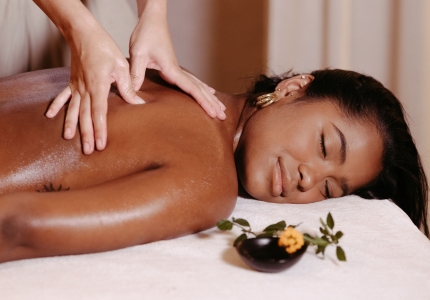

The wellness industry rarely stands still, and this year is no exception. The spa trends defining 2026 reflect something deeper than seasonal novelty, they point to a fundamental shift in how people relate to rest, recovery, and self-care. Consumers are more informed, more intentional, and more selective than ever about how they spend their wellness time and budget. The result is an industry that's responding with more personalisation, more purpose, and more creativity than it has in years.
Why Spa Trends Are Changing
To understand where the industry is heading, it helps to understand what's driving the shift.
Stress and burnout remain central concerns for a wide range of consumers, and the demand for genuine recovery, not just relaxation, has grown significantly. People aren't just looking for an hour of calm. They want to come out feeling measurably better: less tense, more energised, more like themselves.
At the same time, preventative wellness is gaining ground. Rather than waiting until they're exhausted or unwell, more people are investing in regular rituals that support long-term health. The spa visit is becoming less of a one-off treat and more of a lifestyle habit.
Personalisation is another major force. Generic treatments feel increasingly outdated to consumers who are used to tailored experiences in almost every other area of their lives. They arrive at a spa with specific goals, sleep improvement, skin health, muscle recovery, mental clarity, and they expect the experience to reflect that.
Finally, the visual dimension of wellness has expanded. Social media has made spa aesthetics part of the conversation, and beautifully designed, experience-rich environments have become a draw in themselves.
Spa Trends 2026 That Are Gaining Momentum
Personalised wellness journeys
One-size-fits-all menus are quietly fading. In their place, more spas are offering consultations, assessments, or intake processes that shape the entire visit around the individual. This might mean a short questionnaire before arrival, a brief conversation with a therapist about current stress levels and physical needs, or a curated sequence of treatments designed to work together. The experience feels considered rather than transactional, and that distinction matters enormously to today's wellness consumer.
Recovery-focused treatments
Sports recovery has moved well beyond athletics. Compression therapy, cold plunge protocols, infrared saunas, and percussive massage are appearing in mainstream spa settings, aimed at anyone dealing with physical fatigue, not just athletes. This reflects a broader cultural understanding that recovery is productive, something worth investing in, not something you do passively on a sofa.
Longevity-inspired rituals
Longevity is one of the defining wellness conversations of this decade, and spas are responding. Treatments with a cellular or anti-ageing focus, lymphatic drainage, facial gua sha, NAD+ facials, red light therapy, are becoming more widely available outside clinical settings. The appeal crosses generations: younger consumers are interested in prevention, while older ones are looking for meaningful maintenance.
Multi-sensory experiences
Forward-thinking spas are designing environments that engage more than just the skin. Curated soundscapes, chromotherapy lighting, scent layering, and thermal experiences that move between heat and cold are increasingly part of a considered treatment journey. The idea is that deep relaxation happens when the whole nervous system is invited to settle, not just the muscles.
Tech-assisted relaxation
Technology is finding a quiet, useful role in the spa space. Biofeedback tools that help guests understand their stress response, sleep-tracking integrations that inform treatment choices, and AI-assisted skin diagnostics are gradually making their way into premium offerings. Used well, technology doesn't undermine the sense of escape, it makes the experience more precise and more relevant.
Social wellness
The idea of wellness as a solo pursuit is softening. Shared spa experiences, whether with friends, partners, or colleagues, are growing in popularity. Group bookings, paired treatments, and social wellness spaces designed for connection are responding to a genuine desire for rituals that combine self-care with togetherness. Recovery, it turns out, is also social.
Minimalist luxury
Excess is out. More spas are moving toward a quieter kind of indulgence, clean architecture, natural materials, unhurried pacing, and an absence of unnecessary noise or stimulation. This aesthetic resonates with consumers who associate true luxury with simplicity and calm, rather than grandeur.
From "Spa Near Me" to Destination Wellness Experiences
Search behaviour around spas tells an interesting story. The impulse behind spa near me, quick, convenient, local, hasn't disappeared. If anything, the rise of regular wellness habits means local spa visits are more frequent than ever for many people. But alongside that, a different kind of intention is emerging.
More consumers are planning wellness experiences with the same care they'd give a travel itinerary. A weekend at a thermal retreat, a day spa with a specific treatment focus, a wellness stay that combines nature with recovery, these are becoming considered investments rather than spontaneous bookings. The local and the aspirational aren't competing; they're serving different moments in the same person's wellness life.
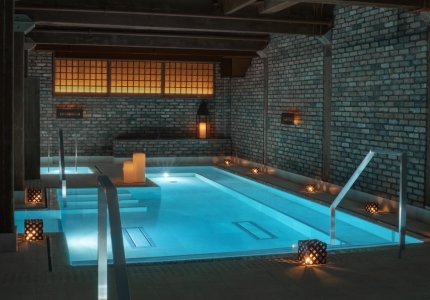
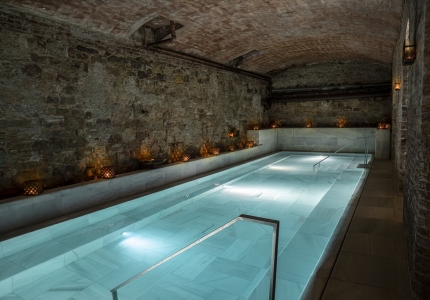
Destinations like AIRE Ancient Baths, with their atmospheric bathhouse experiences rooted in ancient bathing rituals, exemplify exactly this shift: a brand built not on convenience but on intention, drawing visitors who have actively sought out something more immersive. The local and the aspirational aren't competing; they're serving different moments in the same person's wellness life.

Beauty, Aesthetics and the Rise of Appearance-Driven Wellness
The line between spa and aesthetics has been blurring for years, and in 2026 it's thinner than ever. Glow-focused facials, body treatments with visible skin results, and services like high-quality spray tanning sit naturally alongside more traditional spa offerings, because consumers no longer separate how they feel from how they look.
The interest in searches like youthful trends spray tan & spa reflects exactly this: people are looking for treatments that serve both their wellbeing and their appearance in a single, seamless visit. Spas that understand this integration, and design their menus accordingly, are well positioned for the clients who want results and ritual in equal measure.
The look-good, feel-good connection isn't vanity. It's increasingly recognised as a legitimate part of self-care, and the spa industry is responding thoughtfully.
What These Spa Trends Mean for the Future of Wellness
Taken together, these shifts point to something significant: the spa experience is growing up.
It's moving away from the idea of occasional indulgence, something you do once in a while when you're burnt out or celebrating, toward something more integrated, more intentional, and more personal. Consumers are starting to think about spa visits the way they think about exercise or nutrition: as a regular input into how they feel, function, and show up in their lives.
That's a meaningful evolution. It suggests that the spas best placed to thrive in the years ahead won't necessarily be the most extravagant, they'll be the ones that understand their clients most clearly and deliver experiences that feel genuinely designed for them.
Wellness in 2026 isn't about doing more. It's about doing what actually works, in environments that feel worth returning to.