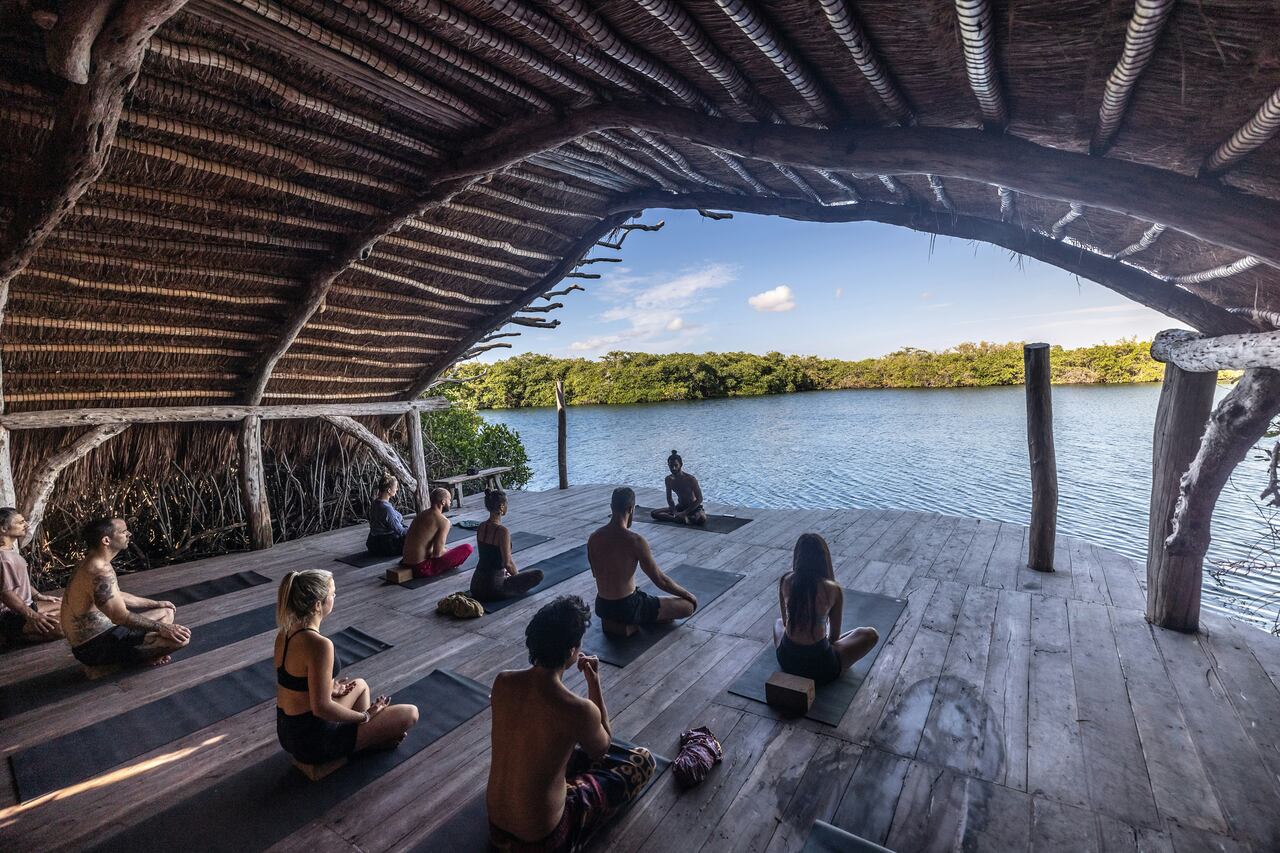


Travel has changed. Where a holiday once meant sightseeing, nightlife, or simply lying on a beach, a growing number of people are choosing something different, a wellness retreat that offers rest, intention, and a genuine break from the pace of everyday life. If you’ve been seeing the term everywhere but aren’t quite sure what it actually involves, you’re not alone. This guide breaks down what a wellness retreat really is, why they’ve become so popular, and how to figure out whether one might be right for you.
What a Wellness Retreat Really Is
At its core, a wellness retreat is a structured stay, usually away from home, often in a natural or peaceful setting, designed to support your physical and mental wellbeing. Beyond that broad definition, the format can vary enormously.
Some retreats are built around movement: daily yoga, pilates, hiking, or breathwork sessions. Others focus on rest and sensory recovery, thermal baths, massage, spa treatments, and long stretches of unscheduled time. Many combine elements of both, adding in mindful eating, workshops on sleep or stress, digital detox periods, or guided reflection practices.
What most have in common is a slower pace, a considered environment, and a deliberate departure from the habits and demands of normal life. The point isn’t to pack in as many activities as possible, it’s to create the conditions for the body and mind to genuinely recover.
Retreats range from accessible weekend programmes at countryside centres to extended luxury escapes in Bali, Portugal, or Scandinavia. Price, structure, and focus vary widely. What makes something a retreat isn’t the price tag or the postcode, it’s the intention behind the experience.
Why Wellness Retreats Are So Popular Right Now
The rise of the wellness retreat isn’t a coincidence. It reflects something real about how many people are feeling.
Burnout has become a widely recognised condition rather than a personal failing, and the pace of modern work culture, always connected, always available, always producing, has made genuine rest genuinely difficult. A weekend that’s supposed to be relaxing often involves catching up on errands, scrolling through notifications, and moving from one obligation to another. By Sunday evening, many people feel no more restored than they did on Friday.
Digital fatigue compounds this. Screens are everywhere, and the mental load of constant information, comparison, and communication is exhausting in ways that are hard to quantify but easy to feel. The idea of handing in your phone and spending a few days without it has shifted from eccentric to genuinely appealing for a lot of people.
There’s also a broader shift in what people want from travel. Experiences that feel meaningful, that leave you with something more than photographs and a slightly bigger credit card bill, are increasingly valued over pure novelty. A retreat offers a different kind of return: a sense of reset, a restored sense of perspective, or simply the rare experience of feeling properly rested.
None of this is a passing trend. It reflects a genuine and growing appetite for a different relationship with time, attention, and self-care.
Health Retreat vs Wellness Spa Retreat
The terms are often used interchangeably, but they point to slightly different experiences, and understanding the distinction can help you choose more clearly.
A health retreat tends to be more structured and goal-oriented. The focus is usually on measurable outcomes: improving fitness, resetting eating habits, losing weight, addressing specific physical imbalances, or building sustainable lifestyle routines. Programmes might include nutritional assessments, fitness testing, guided meal plans, and a fairly full schedule of activities. The atmosphere can feel more purposeful and less indulgent, think wellness clinic meets active holiday rather than luxury escape.
Deepen Your Bond: Luxurious Spa Rituals for Couples
A wellness spa retreat, by contrast, tends to prioritise comfort, sensory experience, and relaxation. Treatments are central, massages, facials, hydrotherapy, body wraps, alongside beautiful surroundings, good food, and a pace that encourages you to slow down rather than achieve. The focus is on how you feel during the experience as much as any lasting outcome. These retreats often take place in high-end hotels or dedicated spa resorts, and the atmosphere is typically calm, indulgent, and aesthetically considered.
In practice, many modern retreats blend elements of both. You might find a wellness spa retreat that also offers morning yoga and a nutrition talk alongside its treatment menu, or a health retreat that includes spa time as part of a broader recovery programme.
Neither is better than the other. The question is what you’re actually looking for: structured improvement or deep relaxation, or some combination of the two.
AIRE Ancient Baths is one example of this kind of thermal bath experience, though it operates as a standalone venue rather than a full retreat programme.

How to Choose the Right Wellness Retreat
With so many options available, a little clarity before you start searching goes a long way. These are the most useful factors to consider:
What do you actually want from it? Rest and sleep recovery, stress relief, a fitness reset, time in nature, a digital detox, or simply a break from your routine, being honest about your primary goal helps narrow the options quickly.
How much structure do you want? Some retreats have every hour accounted for. Others offer a loose framework with plenty of free time. Neither is superior, it depends entirely on what you find restorative.
Solo or social? Certain retreats are designed around group dynamics, shared meals, and communal activities. Others are quietly solo-focused, with minimal expectation of interaction. If you’re an introvert looking to recharge, a group-heavy programme might work against you.
How long can you go for? A weekend retreat can be genuinely useful for a reset. Three to five days allows for deeper decompression. Longer programmes, a week or more, are worth considering if your goal involves shifting habits or recovering from serious burnout.
Where do you want to be? The setting matters more than people often anticipate. Mountain, coast, forest, countryside, or city-adjacent, the landscape becomes part of the experience and can influence how you feel throughout the stay.
What’s your budget? Retreat prices vary enormously. A meaningful experience doesn’t require a five-star resort. Many well-run programmes at modest venues offer just as much depth as their luxury counterparts. Decide what you can spend before you start browsing, it’s easy to get drawn toward the beautiful end of the market.
Escape and Recharge: The Best Destinations to Travel for Relaxation
What to Expect From the Experience
One of the most common concerns before a first retreat is simply not knowing what a day actually looks like. The reality is usually less intimidating than people expect.
Most retreat days begin early and gently. A morning session, yoga, breathwork, a guided walk, sets a quiet, considered tone before breakfast. Meals are typically fresh, seasonal, and eaten without screens or distraction. The food is rarely restrictive; it’s more about quality and attention than deprivation.
The middle of the day might bring a treatment, a workshop, some free time, or a combination of all three. Free time at a retreat often feels unfamiliar at first, there’s a particular discomfort that comes with having nothing to produce or respond to, but most people find their rhythm within a day or two.
Evenings tend to wind down early. Gentle movement, a short meditation, or simply time to read or write before an early night. Without the pull of social plans, late meals, or evening screens, sleep tends to improve noticeably within the first few days.
It won’t be perfect. There may be moments of restlessness, boredom, or unexpected emotion, all of which are part of what happens when you genuinely slow down. But most people leave a retreat feeling something they didn’t expect: not just rested, but clearer.
A wellness retreat isn’t a cure for everything, and it doesn’t need to be. At its best, it’s a well-designed pause, a chance to recover, recalibrate, and return to your life with a slightly different perspective on how you want to live it.