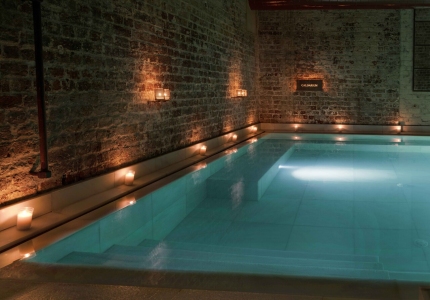

The float tank is the piece of equipment at the centre of one of the more unusual wellness experiences available today. A sealed, soundproof pod filled with heavily salted water, heated to skin temperature and designed to eliminate as much sensory input as possible, the float tank creates conditions that are genuinely difficult to find anywhere else: near-total darkness, near-total silence, and a body that floats without effort on the surface of the water. This article focuses on the tank itself, what it is, what a session inside it feels like, and what benefits are commonly associated with it. For a broader look at float therapy as a practice, you can find that in our dedicated article on float therapy and what to expect from your first session.
What is a float tank?
A float tank, also referred to as a floatation tank or isolation tank, is a light-controlled, soundproofed enclosure containing a shallow layer of water saturated with Epsom salt. The salt concentration is high enough to make the human body float effortlessly on the surface, without any swimming or balancing required. The water is kept at skin temperature, which creates the distinctive sensation of the boundary between the body and the water becoming less distinct over time.
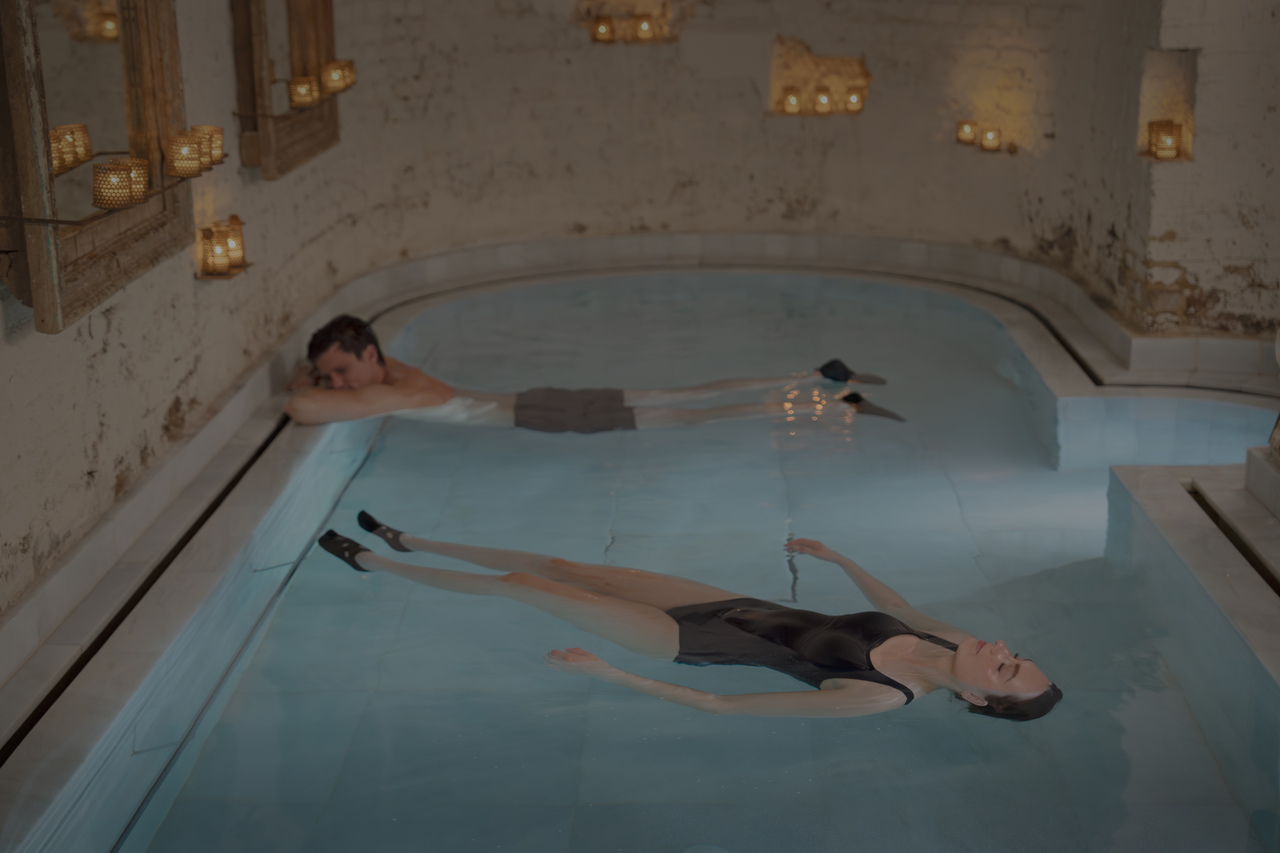
Most float tanks are large enough to stretch out fully inside without touching the walls or the end of the tank. Some are pod-shaped with a curved lid; others are room-sized and open at the top. The standard experience involves the lights off and the environment as quiet as possible, though most facilities offer the option to keep a low light on or to have ambient music playing for those who find complete darkness and silence too intense, particularly in a first session.
The design of the tank is deliberately minimal. There are no jets, no moving parts, and nothing that requires attention or action from the person inside. The only thing the tank asks of you is to lie still and let the water hold you.
What a float tank session feels like
Understanding what actually happens during a float tank session makes it easier to approach the experience with the right expectations.
Before entering the tank, you shower to remove any oils, products or residue from the skin and hair. Most facilities ask you to wear nothing or minimal clothing inside the tank, since clothing creates drag and interferes with the floating sensation. It is worth using the bathroom before entering, keeping caffeine to a minimum beforehand, and avoiding shaving or waxing in the hours before the session, as the high salt concentration can sting on freshly irritated skin.
Once inside, the first few minutes tend to involve an adjustment period. The body is used to constant sensory input, and the sudden reduction of it can feel slightly disorienting at first. Some people notice restlessness, an urge to check the time, or difficulty switching off the usual mental stream. This is entirely normal and tends to ease as the session progresses.
As the water stills and the body settles into the float, the experience begins to shift. Many people describe a gradual loss of clear awareness of where the body ends and the water begins. The lack of pressure on any single point of the body, the absence of sound, and the near-total darkness create a particular quality of quiet that most people find builds rather than arriving all at once.
Sessions typically last around 60 minutes, though some facilities offer longer options. A first session may not feel fully relaxing, and that is completely normal. The experience tends to deepen with familiarity, and many people find the second or third session significantly more settled than the first.
Float tank benefits
The float tank benefits most commonly reported by regular users and discussed in research tend to cluster around a few consistent themes. These are associated effects rather than guaranteed outcomes, and individual responses vary considerably.
Deep physical relaxation
Floating in near-zero gravity removes the body from the constant load-bearing it performs in ordinary life. Muscles that are habitually engaged for posture and movement are released from that work for the duration of the session. Research has linked floating to reduced subjective muscle tension, and many people describe a physical heaviness and ease in the body after a session that differs from the relaxation produced by a massage or a warm bath.
Stress relief and mental quiet
The reduction of external sensory input creates conditions in which the nervous system can shift away from its usual alert, responsive state. Studies have associated float tank use with reductions in reported stress and anxiety levels, though the evidence is more consistent for short-term effects than for lasting changes. Many people describe the mental quiet that builds during a session as unlike anything they experience in ordinary rest.
Support for sleep
A number of people who float regularly report improved sleep in the night that follows a session. The physical relaxation and the nervous system downshift that floating produces may create conditions that are conducive to better rest. This is an effect that comes up frequently in user accounts, though it is not a guaranteed or universal outcome.
Relief from tension and physical discomfort
The buoyancy of the salt water reduces pressure on joints and supports the spine in a way that is difficult to replicate on land. People who carry chronic tension in the lower back, neck or shoulders often describe particular relief in these areas during and after a float session. Research has associated floating with reductions in perceived pain levels in some populations, though the evidence base is still developing.
What Do You Do at a Spa and How to Make the Most of Your Visit?
Who should avoid a float tank
Float tank therapy is not suitable for everyone. The following situations generally call for caution or for avoiding floating altogether:
Open wounds or broken skin: the high salt concentration will cause significant stinging and discomfort on any unhealed area. Contagious skin conditions or illnesses: floating in a shared facility is not appropriate if there is any risk of transmission. Claustrophobia: the enclosed space of a float tank can be difficult for people who find small or enclosed environments distressing, though some facilities offer more open configurations that may help. Epilepsy: floating alone in an enclosed space is generally not recommended for people with epilepsy. Low blood pressure or conditions affecting blood pressure regulation: the lying-still, low-stimulation environment may be unsuitable in some cases. Kidney conditions: the absorption of magnesium from Epsom salt through the skin may be a consideration for people with kidney disease. Pregnancy: it is worth checking with a doctor before floating during pregnancy.
If there is any uncertainty about whether floating is appropriate for a specific health situation, consulting a doctor before booking is the right step. Most float facilities will also ask about health conditions before a first session and can advise on any concerns.
Float tank vs. float therapy: what is the difference?
The float tank is the physical equipment: the pod, enclosure, or room that contains the salt water and creates the sensory environment. Float therapy is the broader term for the practice of using that environment as a wellness or recovery tool, including the range of formats it can take, the approach to using it, and the benefits associated with it.
This article focuses on the tank itself: its design, what a session inside it involves, and the effects most commonly associated with it. For a more complete picture of float therapy as an experience, including what to expect before and after a session and how different formats compare, you can find that in our dedicated float therapy article on the AIRE blog.
Frequently asked questions about float tanks
What is a float tank?
A float tank is a soundproofed, light-controlled enclosure containing a shallow layer of water heavily saturated with Epsom salt. The salt concentration is high enough for the human body to float effortlessly on the surface without any effort. The water is kept at skin temperature, and the environment is designed to minimise sensory input as much as possible. Sessions typically last around 60 minutes.
What are the benefits of a float tank?
The benefits most commonly associated with float tank use include deep physical relaxation due to near-zero-gravity buoyancy, a reduction in perceived stress and mental noise, support for sleep in the hours following a session, and relief from tension in areas like the lower back, neck and shoulders. These are associated effects and commonly reported experiences rather than guaranteed outcomes, and individual responses vary.
How long does a float tank session last?
Most float tank sessions last around 60 minutes, though some facilities offer 90-minute or longer options. A first session may not feel fully settled or relaxing, as the body and mind need time to adjust to the unusual environment. The experience tends to deepen with familiarity, and many people find subsequent sessions more effective than the first.
Who should avoid using a float tank?
Floating is generally not recommended for people with open wounds or broken skin, contagious illnesses or skin conditions, epilepsy, severe claustrophobia, certain kidney conditions, or significant blood pressure irregularities. Pregnant women should consult a doctor before floating. If there is any uncertainty about whether floating is suitable for a specific health situation, checking with a healthcare provider before booking is the right approach.
What is the difference between a float tank and float therapy?
The float tank is the physical equipment used in float therapy: the enclosed, salt-water-filled pod or room that creates the sensory environment. Float therapy is the broader term for the practice itself, including the different formats it can take and the approach to using floating as a wellness or recovery tool. The two terms are closely related but refer to slightly different things: the device versus the practice.