
Float therapy has moved steadily from the fringes of wellness culture into the mainstream, and the number of people curious about it is growing. The idea is simple enough to explain in a sentence: you float in warm, highly salted water in a quiet, low-stimulation environment, and the experience tends to produce a particular kind of stillness that is difficult to find anywhere else. What that actually feels like, and why people keep coming back to it, is what this guide is here to explain.
What float therapy is and how it works
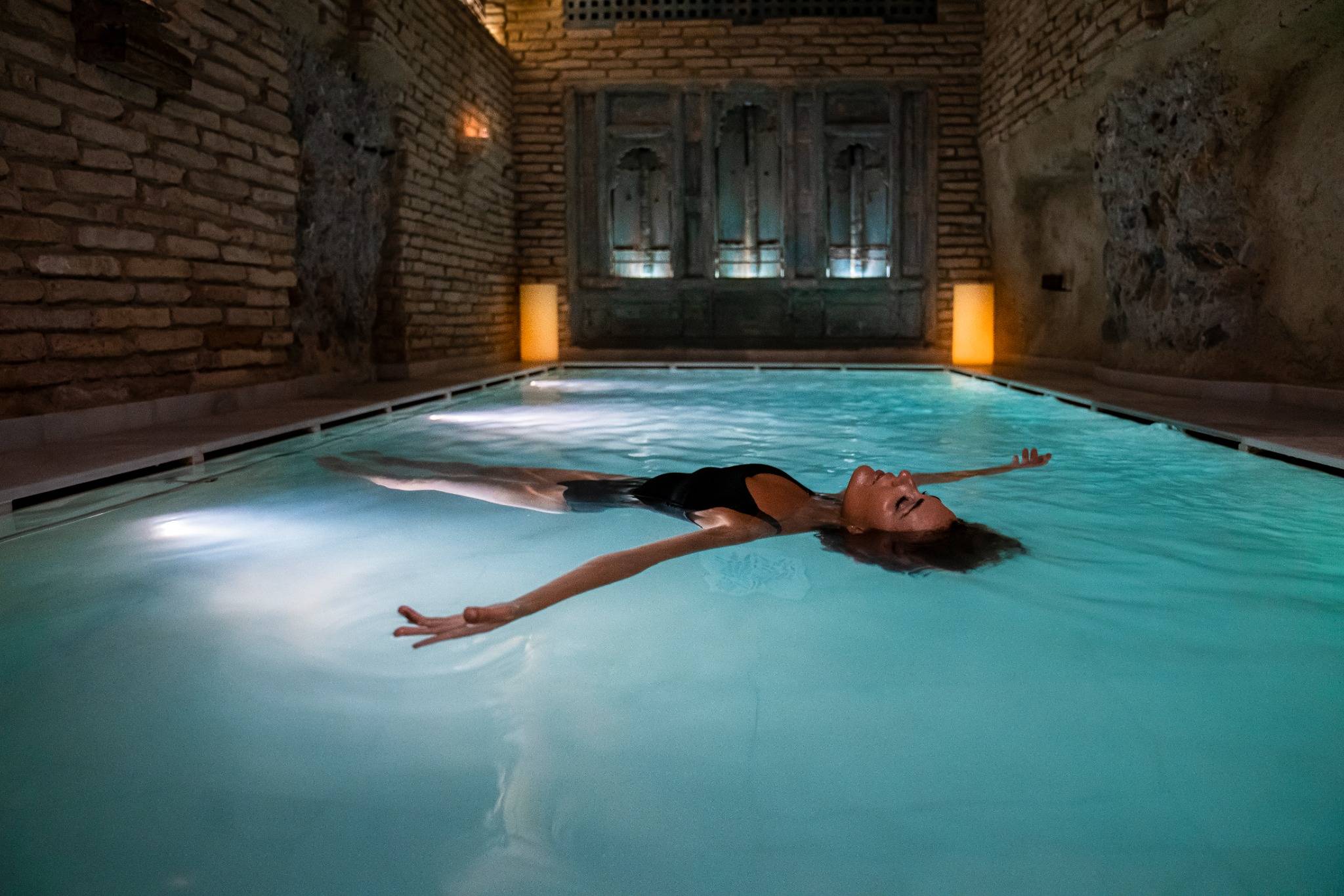
Float therapy involves lying in a tank or pool filled with water that has been saturated with Epsom salt. Because of the very high salt concentration, the water is significantly denser than the human body, which means you float effortlessly on the surface without any swimming or balancing required. You simply lie back and stay there.
The environment around the tank is designed to reduce external stimulation as much as possible. The water is kept at skin temperature, which means after a short adjustment period, the boundary between your skin and the water begins to feel less distinct. Lights can be turned off. Sound from outside is muffled. The result is an unusual kind of quiet, one where there is very little to hear, feel, or see, and where the usual demands on attention simply drop away.
Sessions typically last between 60 and 90 minutes, though the experience of time inside the tank tends to feel different from the clock. Some people feel like they have been in for 20 minutes when an hour has passed. Others feel unusually aware of each passing moment. Both responses are normal.
What to expect from your first float therapy session
First-time floaters often arrive with a mixture of curiosity and mild uncertainty. The process is simpler than most people expect.
You shower before entering the tank to remove any oils or products from your skin. You then step or lower yourself into the water and find your position. Most people float on their back, arms by their sides or raised above the head, whichever feels most natural. The water holds you completely, so there is no effort required to stay on the surface.
The first few minutes can feel slightly unfamiliar. There may be an instinct to check whether you are floating correctly, or a moment of adjustment to the silence. This tends to settle on its own. After the initial period, many people describe a gradual shift into a different quality of stillness, one where thoughts slow down and the body feels unusually light and unheld.
Toward the end of the session, soft music or a gentle signal indicates that the time is coming to a close. You shower again after exiting to rinse off the salt, and most people spend a few quiet minutes in a rest area before heading back out. The sensation of having floated tends to linger for a while after leaving, in the form of a calm, slightly unhurried feeling that many people find distinctive.
Float therapy benefits people often look for
The float therapy benefits that come up most consistently are less about specific physical outcomes and more about a quality of experience that is hard to replicate in other settings.
Because the water supports the full weight of the body without any effort, muscles that are habitually engaged for posture and movement get an extended period of genuine rest. Many people report a particular kind of physical heaviness lifting during or after a float session, especially in the back, shoulders, and hips.
Mental quiet and reduced overstimulation
Much of what makes modern life tiring is the constant stream of incoming information. The float environment removes almost all of it. For people who feel chronically overstimulated or find it difficult to slow their thoughts down, the tank offers conditions where that background noise simply has nowhere to come from.
A different relationship with time and stillness
Many people who float regularly describe it as one of the few experiences that genuinely resets their sense of pace. The altered perception of time that the tank produces is not for everyone, but for those who find it appealing, it can feel like a significant break from the speed at which daily life usually moves.
Recovery support after intense periods
Some people use float therapy after demanding physical or mental periods as a form of active recovery. The combination of low stimulation, physical weightlessness, and extended stillness is often associated with a feeling of having genuinely rested rather than simply stopped for a while.
Benefits of float therapy in different wellness contexts
The benefits of float therapy are not the same for everyone, and the reasons people seek it out tend to vary considerably depending on what they are dealing with or looking for.
For those who live at a high pace and rarely experience genuine quiet, the appeal is often primarily about mental rest. The absence of stimulation is the point, and the experience of being unreachable for an hour feels valuable in itself.
For people who carry physical tension, particularly in the back, neck, or shoulders, the aspect of weightlessness tends to be the most significant. The relief of having nothing pressing on joints or muscles for an extended period is something that is difficult to achieve in most other environments.
For people who are simply curious about different kinds of wellness experiences, float therapy offers something that feels meaningfully different from massage, yoga, or standard spa treatments. It is less about what is done to the body and more about removing the usual conditions the body is operating within.
Float therapy spa, dry float therapy and salt float therapy
The term float therapy can appear in slightly different contexts, which sometimes causes confusion for people exploring their options.
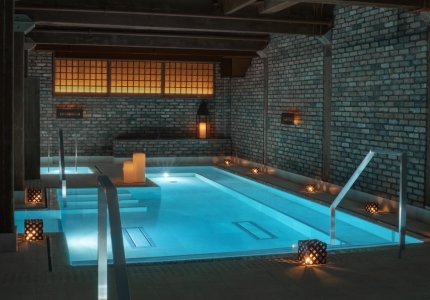
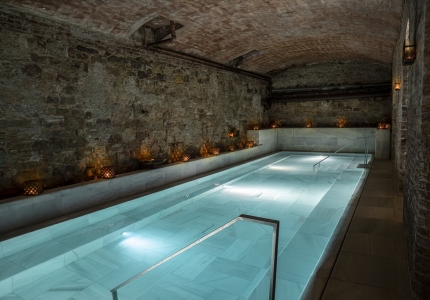
A float therapy spa typically refers to a dedicated wellness space where floating is offered as one of the main experiences, often alongside other treatments. The setting tends to be calm and considered, with attention paid to the environment before and after the float, including rest areas and shower facilities designed for the experience.
Salt float therapy is the more familiar and widely available version: floating in a tank or pool filled with Epsom salt solution. This is what most people mean when they talk about float therapy, and it is the format that has the longest track record in wellness spaces.
Dry float therapy is a newer variation that attempts to produce a similar sensation of weightlessness and low stimulation without water immersion. The person lies on a membrane that holds their weight while warm water circulates beneath it, creating a floating-like sensation without direct contact with water. It is generally considered a gentler or more accessible entry point for people who are uncertain about full immersion, though the sensory experience differs from the traditional version.
Neither format is universally better than the other. The right choice depends on what someone is looking for and what feels comfortable to them.
How to know if float therapy may be worth trying
Float therapy is not for everyone, and there is no reason to feel that it should be. Some people find the experience of extended stillness and low stimulation deeply restorative. Others find it uncomfortable, difficult to settle into, or simply not their preferred way of spending time.
It tends to appeal to people who are genuinely curious about quiet and low-stimulation experiences, who feel overstimulated by the pace and noise of daily life, who enjoy introspective or restful activities, or who are simply open to trying a different kind of wellness session without strong expectations either way.
If the idea of lying in warm, quiet water for an hour sounds appealing or at least interesting, it is probably worth trying at least once. The first session is rarely the most representative, as there is usually an adjustment period before the experience settles into something more distinctive. Most people who continue past the first session do so because what they found there was genuinely unlike anything else they had tried.
Relaxing Activities: Discover the Rituals That Restore Body and Mind