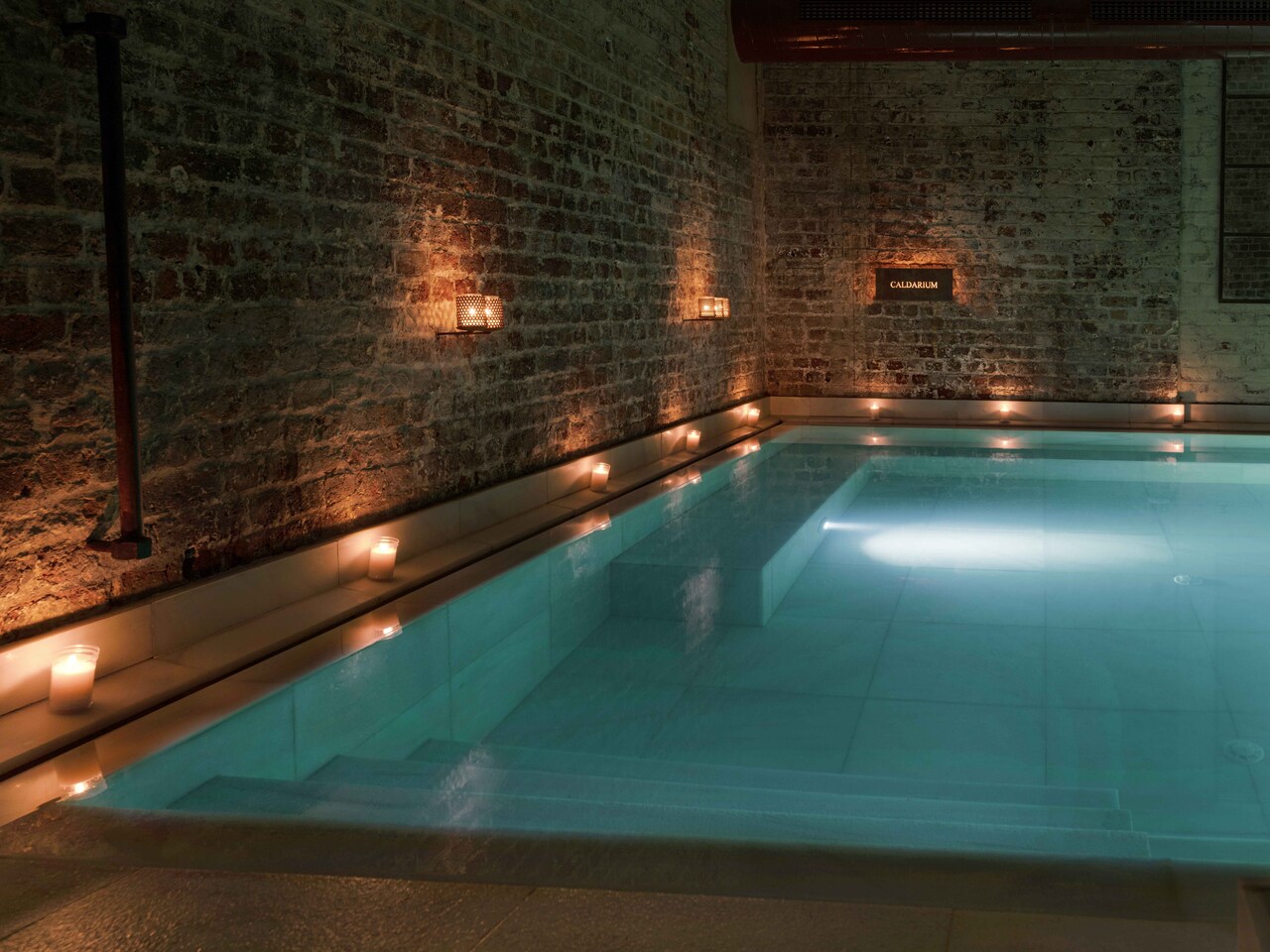


El caldarium era el corazón caliente de las termas romanas. Si alguna vez has entrado en una sala de vapor o te has sumergido en un baño caliente y has sentido cómo el calor alcanza los músculos en profundidad, has experimentado algo parecido a lo que los ciudadanos romanos buscaban en estas salas hace más de dos mil años. Comprender qué era el caldarium, cómo funcionaba y qué lugar ocupaba dentro del recorrido termal romano ayuda a entender por qué el ritual del baño ha sobrevivido en formas tan distintas hasta nuestros días.
¿Qué es el caldarium?
La pregunta de caldarium que es tiene una respuesta directa: el caldarium era la sala más caliente de las termas romanas. Se caracterizaba por un ambiente cargado de vapor, una temperatura elevada y la presencia de al menos una piscina de agua caliente, conocida como alveus o solium, donde los bañistas podían sumergirse. En algunos complejos de mayor tamaño había también un labrum, un gran cuenco de piedra elevado que contenía agua más fresca para enjuagarse la cabeza y el rostro.
Dentro del recorrido de las termas, el caldarium ocupaba el punto de mayor intensidad térmica. Era la sala que los bañistas alcanzaban tras haberse preparado en los espacios más moderados, y desde la que regresaban hacia el frío del frigidarium. No era un espacio para estar mucho tiempo, sino para sudar, limpiar la piel y sentir el efecto que el calor intenso y sostenido produce sobre el cuerpo.
Cómo funcionaba el caldarium: el hipocausto y el calor
El sistema que permitía mantener el caldarium a temperaturas tan elevadas es uno de los logros de ingeniería más llamativos de la civilización romana: el hipocausto. Consistía en una red de canales y pequeñas columnas de ladrillo, llamadas pilae, que sostenían el suelo elevado de la sala y dejaban un espacio hueco por debajo. Un horno exterior alimentaba de aire caliente ese espacio, que circulaba bajo el suelo y subía a través de tubos cerámicos huecos, llamados tubuli, empotrados en las paredes.
El resultado era una sala cuyas superficies, suelo, paredes y techo, irradiaban calor de manera uniforme desde todas las direcciones. No era el calor puntual de una hoguera o un brasero, sino un calor envolvente que impregnaba el ambiente y producía esa sensación característica de vapor y humedad que el caldarium ofrecía.
Además del calor, el ritual de higiene dentro del caldarium incluía el uso de aceite de oliva, que se aplicaba sobre la piel antes y durante el baño, y el estrigil, una especie de rasqueta curva con la que se retiraban el aceite, el sudor y las impurezas de la superficie de la piel. Esta combinación de calor, vapor, aceite y limpieza manual era el equivalente romano de lo que hoy entendemos por una sesión de spa.
El caldarium dentro del recorrido de las termas romanas
El caldarium termas romanas no era un espacio aislado, sino parte de un recorrido pensado con una lógica clara. La secuencia del baño romano seguía un orden que guiaba el cuerpo progresivamente por diferentes temperaturas y experiencias, y el caldarium ocupaba el punto de mayor intensidad dentro de ese recorrido.
|
Espacio |
Función dentro del recorrido |
|
Apodyterium |
Vestuario donde los bañistas dejaban la ropa y se preparaban para el baño |
|
Caldarium |
Sala más caliente, con piscina de agua caliente y ambiente cargado de vapor |
|
Tepidarium |
Sala templada de transición para que el cuerpo se adapte gradualmente al frío |
|
Frigidarium |
Sala o piscina de agua fría para cerrar el circuito con el contraste térmico |
Muchos complejos termales incluían también una palestra, zona de ejercicio físico al aire libre, antes del baño propiamente dicho. Y en algunos casos, el recorrido terminaba con una visita a una sala de masajes donde los bañistas recibían tratamientos con aceite tras salir del caldarium. Esta secuencia completa, que combinaba movimiento, calor, contraste y cuidado corporal, es reconociblemente parecida a lo que hoy llamamos un circuito termal.
Del caldarium romano al bienestar contemporáneo
El legado del caldarium romano sigue muy presente en los espacios de bienestar actuales. La idea de que el cuerpo responde al calor, al vapor y al contraste de temperaturas de una manera que produce relajación muscular, apertura de poros y una sensación de renovación física no ha cambiado. Lo que ha cambiado es el contexto en el que se vive esa experiencia.
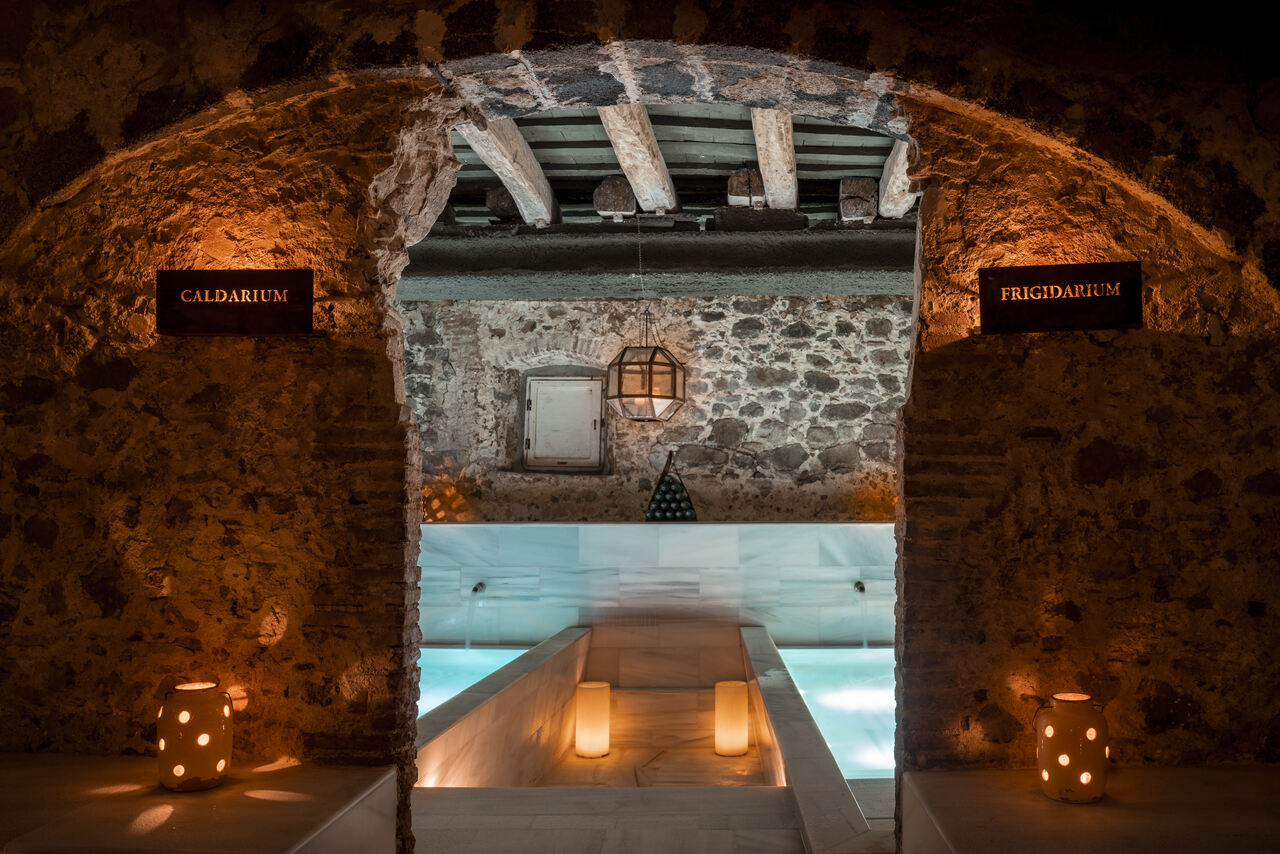
Los circuitos termales contemporáneos reproducen la misma lógica del recorrido romano: un paso progresivo por distintas temperaturas, de lo templado a lo caliente y de lo caliente al contraste del agua fría, en un entorno diseñado para favorecer la desconexión y el cuidado del cuerpo. AIRE Ancient Baths se inspira directamente en esa tradición. Sus espacios de agua caliente, templada y fría, su arquitectura envolvente y el ritmo pausado que propone para recorrerlos son una reinterpretación contemporánea del mismo ritual que los romanos practicaban a diario.
No es una reproducción literal de unas termas romanas, sino una forma de entender que el agua, el calor y el tiempo dedicado al cuerpo tienen un valor que no ha necesitado reinventarse porque nunca dejó de ser relevante. Para quien quiera explorar esa experiencia, los baños termales de AIRE son un punto de partida natural.
¿Qué se hace en un spa y cómo sacar el máximo partido a tu visita?
Preguntas frecuentes sobre el caldarium
¿Qué es el caldarium?
El caldarium era la sala más caliente de las termas romanas. Se caracterizaba por su ambiente de vapor, su temperatura elevada y la presencia de una piscina de agua caliente donde los bañistas podían sumergirse. Era el punto de mayor intensidad térmica dentro del recorrido del baño romano.
¿Para qué servía el caldarium en las termas romanas?
El caldarium servía para sudar, limpiar la piel y experimentar los efectos del calor sostenido sobre el cuerpo. Los bañistas se untaban con aceite de oliva y luego usaban el estrigil para retirar el aceite y las impurezas de la piel. Era también un espacio de socialización y descanso, aunque de uso más breve que otras salas del recorrido.
¿Qué diferencia hay entre el caldarium y el tepidarium?
El caldarium era la sala más caliente, con vapor y una piscina de agua caliente. El tepidarium era una sala de temperatura moderada que servía de transición entre el calor del caldarium y el frío del frigidarium. Mientras que en el caldarium la experiencia era intensa, en el tepidarium el cuerpo podía descansar y adaptarse gradualmente a los cambios de temperatura.
¿Cómo se calentaba el caldarium en la Antigua Roma?
El caldarium se calentaba mediante el hipocausto, un sistema de calefacción por suelo y paredes. Un horno exterior enviaba aire caliente a través de un espacio hueco bajo el suelo elevado, que luego circulaba por tubos cerámicos empotrados en las paredes. Esto permitía mantener toda la sala a una temperatura alta y uniforme de forma continua.
¿Existe algo parecido al caldarium en los spas actuales?
Sí. Muchos circuitos termales contemporáneos incluyen salas de calor húmedo o piscinas de agua caliente que cumplen una función similar a la del caldarium romano: ofrecer una experiencia de calor intenso como parte de un recorrido de bienestar que combina distintas temperaturas. AIRE Ancient Baths, por ejemplo, integra espacios de agua caliente dentro de un circuito termal que reproduce la lógica del recorrido romano.