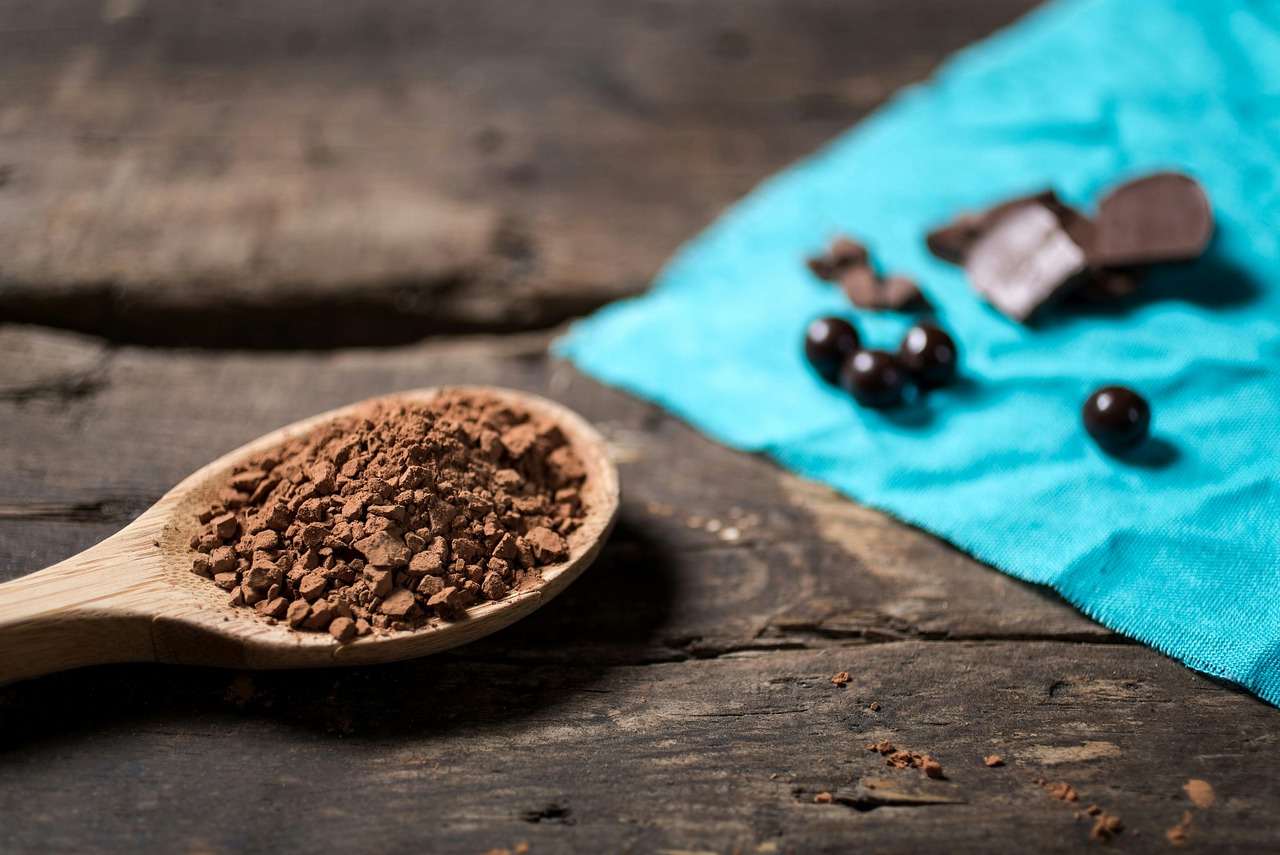


Imagine the rich aroma of cocoa enveloping your senses, a warm texture gliding across your skin, and a profound feeling of relaxation washing over you. Chocolate therapy offers precisely this experience: a spa cosmetic ritual designed to provide calm and skin care, without attributing any medical benefits to it.
This sensory treatment combines the aromatic pleasure of chocolate with massage techniques and cosmetic care. Throughout this article, you’ll discover the various formats available, realistic expectations about what a session can offer, and when it’s advisable to consult a doctor due to allergies or reactive skin.
What is Chocolate Therapy?
Chocolate therapy is a sensory ritual that uses cocoa and nourishing oils to combine massage, aroma, and texture in an enveloping experience. This chocolate body treatment is typically positioned in spa settings, where the focus is placed on relaxation and cosmetic skin care.
The star ingredient is cocoa, specifically cocoa butter, which is rich in fatty acids that provide moisture and softness to the skin. This foundation is blended with essential oils, aromatic extracts, and sometimes ingredients like vanilla or cinnamon. The warm temperature of the chocolate facilitates application and makes absorption more pleasant.
The chocolate therapy definition centers on creating a moment of complete disconnection, where the aroma of cocoa activates pleasant memories while the therapist’s hands work over your muscles. It’s important to understand that this is a wellness and beauty ritual, not a medical treatment. The purpose is cosmetic and wellness-oriented, offering a fragrant experience and tranquil atmosphere.
Types of Chocolate Therapy and Prevalent Techniques
There are several varieties of chocolate therapy you can find in spas. Understanding the prevalent chocolate therapy methods will help you choose the one that best suits your preferences:
Cocoa Body Wrap
The therapist applies a creamy mixture of warm chocolate over your entire body, then wraps you in a thermal blanket for 20-30 minutes. This allows the cocoa butter to penetrate the skin. Afterward, it’s removed with a gentle shower. Total duration: 45-60 minutes.
Cocoa Oil Massage
Enriched oil with cocoa extract is used to perform a relaxing full-body massage. The gentle movements help relax muscles while the skin absorbs nourishing ingredients. Duration: 60-75 minutes.
Cocoa and Sugar Exfoliation
A mixture of cocoa powder, brown sugar, and oils is gently massaged over the skin to remove dead cells, followed by a shower and optional moisturizing massage. Duration: 45-60 minutes.
Combined Rituals
Some spas offer circuits that include thermal water baths, chocolate exfoliation, body wrap, and final massage. These rituals extend between 90-120 minutes for a complete immersive experience.
The typical step-by-step process includes: skin preparation, application of warm chocolate with circular movements, resting time (if it’s a wrap), product removal, and completion with additional hydration. Visualizing these standard procedures helps you know what to expect.
Chocolate Massages: Advantages and Experiences
The advantages of chocolate therapy are perceived at both skin and emotional levels, though it’s important to maintain realistic expectations. We’re discussing sensory and cosmetic experiences rather than medical effects.
At the skin level, chocolate massage provides skin hydration and nourishment thanks to the cocoa butter and oils it contains. After a session, skin typically feels softer, smoother, and more luminous. The creamy texture allows massage movements to be fluid and enveloping.
The most notable benefit is deep relaxation. The aroma of cocoa activates brain areas associated with pleasure and comfort, reinforcing mental disconnection. It’s that feeling of total pampering, where body and mind release accumulated tensions. Many people describe the experience as comforting, almost nostalgic.
Beyond physical sensations, the complete ritual with the spa atmosphere, soft sounds and dedicated time, contributes to creating a self-care space that transcends the product applied. The pleasure of the moment comes from this holistic combination of aroma, touch, warmth, and attention.

Chocolate for Massage and Its Contraindications
Massage chocolate is crafted with cocoa butter as the base, vegetable oils (almond, jojoba, coconut), and sometimes natural fragrances. While generally safe, there are important considerations.
The contraindications of chocolate therapy include:
-
Allergies to cocoa or nuts: If you’re allergic to any chocolate component or oils used, you should avoid this treatment or inform the therapist beforehand.
-
Reactive skin or active dermatitis: If your skin is inflamed or irritated, it’s better to postpone the session until it’s more stable.
-
Pregnancy: During pregnancy, consult with your doctor before any spa treatment, especially if it includes essential oils or intense heat.
Patch testing is always recommended before a full session: apply a small amount of the product on your forearm and wait 24 hours to verify there’s no reaction. If you experience redness or itching, inform the spa.
Transparency with the therapist about your allergy history or sensitivities ensures a safe and pleasant experience.
Length of a Chocolate Therapy Session and Practical Suggestions
The length of chocolate therapy varies depending on the treatment type. Shorter sessions last between 45-60 minutes. Complete treatments with body wrap and massage extend between 75-90 minutes. Combined rituals can reach 2 hours.
To maximize your experience, here are practical suggestions for chocolate massage:
Before the session:
-
Arrive with sufficient time to relax.
-
Avoid heavy meals just before.
-
Communicate any allergies or sensitivities to the therapist.
During the session:
-
Practice conscious breathing, allowing the cocoa aroma to envelop you.
-
Communicate if the temperature or pressure needs adjustment.
After the session:
-
Hydrate well by drinking water.
-
Avoid sun or sunbed exposure immediately afterward, as skin will be more sensitive.
-
Wear comfortable, loose clothing.
-
Continue the calm state by avoiding stressful activities.
These guidelines enhance the relaxing effect and help cosmetic benefits last longer.
FAQs About Chocolate Therapy Massages
Does chocolate therapy cause staining?
The chocolate used in spa treatments is formulated to absorb well and rinse off easily. It shouldn’t stain your skin permanently. The spa will provide adequate protection, but it’s advisable to bring dark underwear just in case.
Is it appropriate for sensitive skin?
It depends on the degree of sensitivity. Cocoa butter is generally well-tolerated, but if your skin is highly reactive or you have active dermatitis, consult your dermatologist first. Prior patch testing is essential.
Can it be paired with other massages?
Absolutely! Many spas offer combinations of chocolate therapy with deep tissue massage, reflexology, or aromatherapy. Consult available options to create your personalized experience.
Does chocolate therapy have a potent fragrance?
The aroma is perceptible and enveloping, but not overwhelming. It’s designed to be pleasant and relaxing. If you’re particularly sensitive to scents, mention this when booking.
How often can I have chocolate therapy?
As a cosmetic and wellness ritual, you can enjoy it every 2-4 weeks if desired. There’s no contraindication for doing it regularly, as long as your skin tolerates it well.
Will my skin feel greasy after the treatment?
Quality chocolate body treatments are designed to absorb properly. Your skin will feel deeply moisturized and nourished, but shouldn’t feel excessively greasy if properly formulated.
This article is intended for informational purposes. Chocolate therapy is a cosmetic and wellness treatment and does not replace medical or dermatological advice. If you have concerns about allergies or skin conditions, consult with a healthcare professional.