
Ayurvedic massage is one of the oldest bodywork traditions in the world, rooted in Ayurveda, India's ancient system of wellness that has been practiced for thousands of years. At its core, it uses warm herbal oils, specific pressure and flowing strokes to work with the body rather than simply on it, with the aim of restoring a sense of balance between physical and mental wellbeing. For anyone curious about what it involves, what it offers, and how a session actually feels, this guide covers all of it.
What is ayurvedic massage?
Ayurvedic massage is a form of bodywork that draws on the principles of Ayurveda, a traditional system of health and wellness that originated in the Indian subcontinent. The word Ayurveda comes from Sanskrit and combines "ayur", meaning life, and "veda", meaning knowledge or wisdom. Literally, it translates as "the science of life" or "the knowledge of living well."
Unlike many Western massage traditions, ayurvedic massage is not primarily concerned with working out specific areas of muscular tension. Its approach is more holistic: it uses oil, touch, and movement to support the body's natural balance, encourage the flow of energy through the system, and create conditions for genuine rest and renewal. Warm herbal oils play a central role, chosen according to the individual's constitution and the specific goals of the session.
Ayurveda is sometimes described as complementary to Western medicine, and many practitioners and wellness spaces offer it in that spirit. It is worth approaching it with that understanding: as a tradition with its own philosophy and benefits, rather than as a substitute for medical care.
Benefits of ayurveda massage
The benefits most commonly associated with ayurveda massage tend to be felt during and after a session, rather than as immediate measurable outcomes. They reflect what the practice is designed to do: support the body, calm the mind, and create a quality of rest that ordinary activity rarely allows.
Easing physical tension
The warm oil and rhythmic strokes used in ayurvedic massage may help soften areas of muscular tightness and reduce the physical sensation of stress held in the body. Many people describe a feeling of release during a session, particularly in the shoulders, back, and limbs.
Supporting relaxation and mental calm
The combination of warmth, oil, and sustained, attentive touch creates conditions that are deeply conducive to relaxation. Many people find that thoughts slow down during an ayurvedic session in a way that feels different from ordinary rest. The unhurried pace of the treatment is a significant part of this effect.
Sense of improved circulation and energy
The flowing strokes used in techniques like abhyanga are often associated with a feeling of improved circulation and a lighter, more energised quality after the session. This is a commonly reported effect rather than a guaranteed outcome, and individual responses vary.
A feeling of balance and integration
Perhaps the most distinctive benefit described by people who receive ayurvedic massage regularly is a sense of greater balance: between body and mind, between activity and rest, between tension and ease. This quality is difficult to quantify but is consistently mentioned as one of the reasons people return to the practice.
Ayurveda principles: the doshas
Understanding ayurvedic massage means understanding something of the philosophy behind it. Ayurveda holds that the natural world, and the human body, is made up of five elements: space, air, fire, water, and earth. These elements combine in the body in three fundamental patterns known as doshas: vata, pitta, and kapha.
Vata is associated with movement, air, and space, and governs qualities like lightness, creativity, and variability. Pitta is associated with fire and transformation, and governs digestion, intensity, and focus. Kapha is associated with water and earth, and governs stability, endurance, and calm. Each person has a unique combination of these three doshas, and Ayurveda holds that wellbeing depends on keeping them in a balanced relationship.
In the context of massage, the dosha framework influences the choice of oils, the pace and pressure of the strokes, and the overall approach of the session. A practitioner will typically ask about the person's tendencies and current state before beginning, using this information to personalise the treatment rather than applying a fixed protocol to everyone.
Ayurvedic massage techniques: abhyanga, oil massage and more
Abhyanga: the foundational oil massage in ayurveda
Abhyanga is the most widely practiced form of oil massage in ayurveda and the technique most people encounter first. It involves the application of warm herbal oil over the entire body using long, flowing strokes that move in the direction of the heart. The oil is chosen according to the individual's constitution and the time of year, and the warmth it carries into the tissues is considered as important as the physical pressure of the strokes. A full abhyanga session typically lasts between 45 and 90 minutes.
Pinda swedana
Pinda swedana uses cloth bundles filled with herbal ingredients, rice, or other materials that are warmed in oil or herbal decoctions and applied rhythmically to the body. The combination of heat, herbs, and pressure is designed to work more deeply into the tissues and produce a sustained feeling of warmth and release.
Chavitti
Chavitti is a form of ayurvedic massage performed with the feet rather than the hands, with the practitioner using a rope or support for balance while applying pressure through the soles of the feet. The technique allows for a deeper, more sustained pressure over large areas of the body and has roots in the martial arts traditions of Kerala.
Shirodhara
Shirodhara involves a slow, continuous stream of warm oil poured over the forehead in a steady, rhythmic flow. The experience is deeply calming and is often described as producing an unusual quality of mental stillness. Within the Ayurvedic framework, the forehead is considered a significant point of connection between the physical and mental aspects of the person.
Padabhyanga
Padabhyanga is a focused foot massage using warm oil and gentle pressure applied to specific points across the sole, heel, and toes. The feet are considered particularly significant in Ayurveda, and this technique is often used at the end of a longer session as a grounding and calming conclusion.
What to expect from an ayurvedic massage treatment
For anyone considering an ayurvedic massage treatment for the first time, knowing what to expect makes the experience easier to approach with openness rather than uncertainty.
Most sessions begin with a short conversation between the practitioner and the person receiving the treatment. This might cover how they are feeling, where they notice tension or discomfort, and what they are hoping to get from the session. In a more traditional setting, the practitioner may ask about tendencies that relate to the dosha framework, though this varies widely between practitioners and contexts.
The massage itself is usually performed on a table or a low mat, with the person covered except for the area being worked on. Warm herbal oil is applied generously and the strokes tend to be slower and more rhythmic than in many Western massage styles. The pace is intentional: part of what makes ayurvedic massage distinctive is its unhurried quality, which allows the body and mind to settle gradually into a deeper state of rest.
After the session, it is common to feel a particular kind of calm that is different from ordinary tiredness. Most practitioners recommend resting for a while rather than moving straight back into activity, and staying well hydrated in the hours that follow.
Ayurvedic massage at AIRE
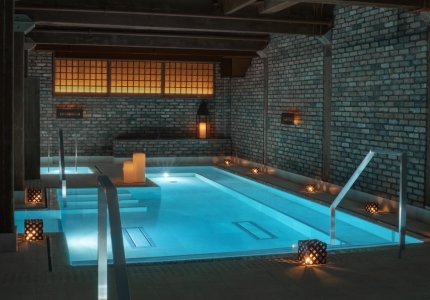
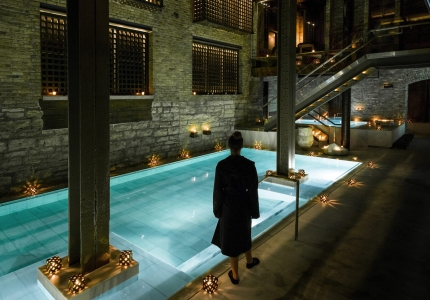
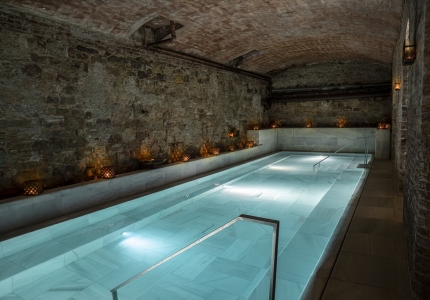
The principles that underlie ayurvedic massage, warmth, oil, unhurried touch, and the idea that the body holds what the mind carries, align closely with the kind of wellness experience that AIRE Ancient Baths is built around. The use of warm oils, the attention to environment, and the deliberate pace of treatment at AIRE reflect a shared understanding of what genuine rest and restoration can feel like.
For those curious about exploring oil-based massage and ritual treatments in a setting designed for sensory calm, AIRE's massage and ritual experiences offer a way into that world. Gift cards are available for those who want to share the experience. For current availability and treatment details, consulting the AIRE website or booking directly with the relevant location is the most reliable starting point.
Frequently asked questions about ayurvedic massage
What is ayurvedic massage?
Ayurvedic massage is a traditional bodywork practice rooted in Ayurveda, India's ancient system of wellness. It uses warm herbal oils, specific strokes, and personalised techniques to support a sense of balance between body and mind. It differs from most Western massage styles in its philosophical framework, the central role of oil, and its unhurried, holistic approach.
What are the main benefits of ayurvedic massage?
The most commonly reported benefits include a reduction in physical tension, a sense of deep relaxation, a feeling of improved energy and circulation, and a quality of mental calm that many people find distinctive. These are associated effects rather than guaranteed outcomes, and individual responses vary depending on the technique used and the person's own constitution and state.
What is abhyanga oil massage in ayurveda?
Abhyanga is the foundational oil massage technique in Ayurveda. It involves applying warm herbal oil over the whole body using long, flowing strokes that move toward the heart. The oil is chosen based on the individual's constitution and the time of year, and the warmth it brings into the tissues is considered as significant as the physical pressure of the hands.
How is ayurvedic massage different from a regular massage?
The main differences are the philosophical framework, the extensive use of warm herbal oil, the personalisation of the treatment according to the individual's dosha tendencies, and the pace. Ayurvedic massage tends to be slower and more rhythmic than many Western massage styles, with an emphasis on creating conditions for deep rest rather than targeting specific areas of tension.
How often should you get an ayurvedic massage treatment?
This varies considerably depending on the person, the technique, and what they are looking to get from the experience. Some people receive ayurvedic massage as an occasional treat; others incorporate it into a regular wellness routine. There is no universal recommendation, and the most useful guidance usually comes from the practitioner who knows the individual and their specific context.