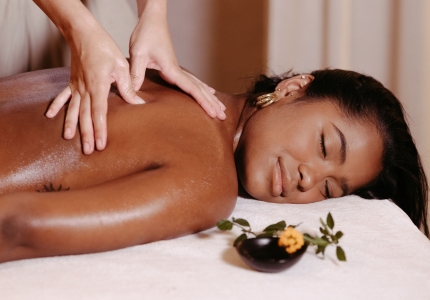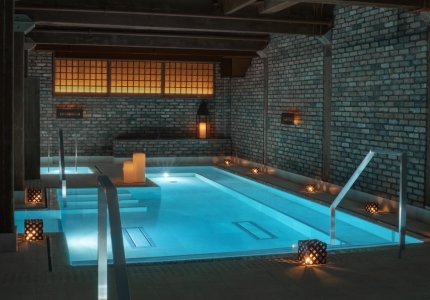

Most people have reached for a hot water bottle, a warm towel, or a heating pad at some point without thinking twice about it. Heat therapy is the more deliberate version of that instinct: the use of warmth to bring comfort, ease stiffness, and support a sense of physical relaxation. It is one of the oldest and most widely used self-care tools available, and understanding how it works and when it makes sense can help people use it more effectively in everyday life.
What heat therapy is and how it works
Heat therapy refers to the use of warmth applied to the body with the aim of bringing comfort, easing tension, or supporting the feeling of physical relaxation. It is not a single technique but a broad category that includes everything from a warm bath to a heated compress, an infrared sauna, or time spent in a thermal pool.
The basic logic behind heat therapy is simple. Warmth causes blood vessels near the surface of the skin to widen, which can increase circulation in that area and produce a feeling of softening or loosening in muscles that feel tight or stiff. It also tends to feel soothing, which is part of why heat is so instinctively associated with comfort and recovery.
The effect is most associated with areas that feel tense, stiff, or overworked rather than areas that are acutely injured or inflamed. That distinction matters, and the article will return to it when comparing heat with cold approaches.
Heat therapy benefits people often look for
The reasons people turn to heat therapy tend to fall into a few consistent categories. These are not guaranteed outcomes for everyone, but they reflect the most commonly sought benefits:
Comfort in tight or stiff muscles
This is probably the most universal use. When muscles feel heavy, tense, or stiff after a long day, physical effort, or extended time in the same position, warmth may help ease that feeling. Many people describe a noticeable sense of release or softening during and after heat application.
Support for winding down
Heat has a naturally calming effect on the nervous system for many people. A warm bath, a heated compress on the shoulders, or time in a warm room can support the process of shifting from an active or alert state into a more restful one. This is one reason heat therapy is often associated with pre-sleep routines or end-of-day recovery.
Easing the feeling of tension in specific areas
The lower back, the shoulders, and the hips are areas where people frequently report accumulating tension from sitting, posture habits, or physical exertion. Heat may help ease the sense of tightness in these areas and make it easier to move or simply rest more comfortably.
Broader relaxation and recovery support
In wellness contexts like thermal baths or heated spa environments, heat therapy is often used as part of a broader experience of physical recovery and mental decompression. The combination of warmth, stillness, and a quiet environment creates conditions that many people find deeply restorative.
Neck pain heat therapy: when people use it
Neck pain heat therapy is one of the most commonly searched combinations around this topic, and for understandable reasons. The neck and shoulders are areas where many people accumulate stress-related tension, particularly those who spend long hours at a desk, looking at screens, or carrying physical or mental load through the day.
When this kind of tension builds, heat is often one of the first things people reach for. A warm compress, a heated pad placed across the shoulders, or a long hot shower directed at the neck and upper back can offer noticeable comfort and a sense of loosening in areas that feel locked or stiff.
It is worth noting that not all neck discomfort responds to heat in the same way. Heat is generally considered more appropriate for tension, stiffness, and muscle-related tightness than for pain that is sharp, sudden, or accompanied by swelling or other symptoms. In those cases, or when discomfort is persistent or severe, getting professional guidance is the more appropriate step than self-treating at home.
For the everyday kind of neck and shoulder tension that comes from posture, stress, and accumulated strain, heat therapy is a widely used and generally well-tolerated approach to seeking relief and comfort.
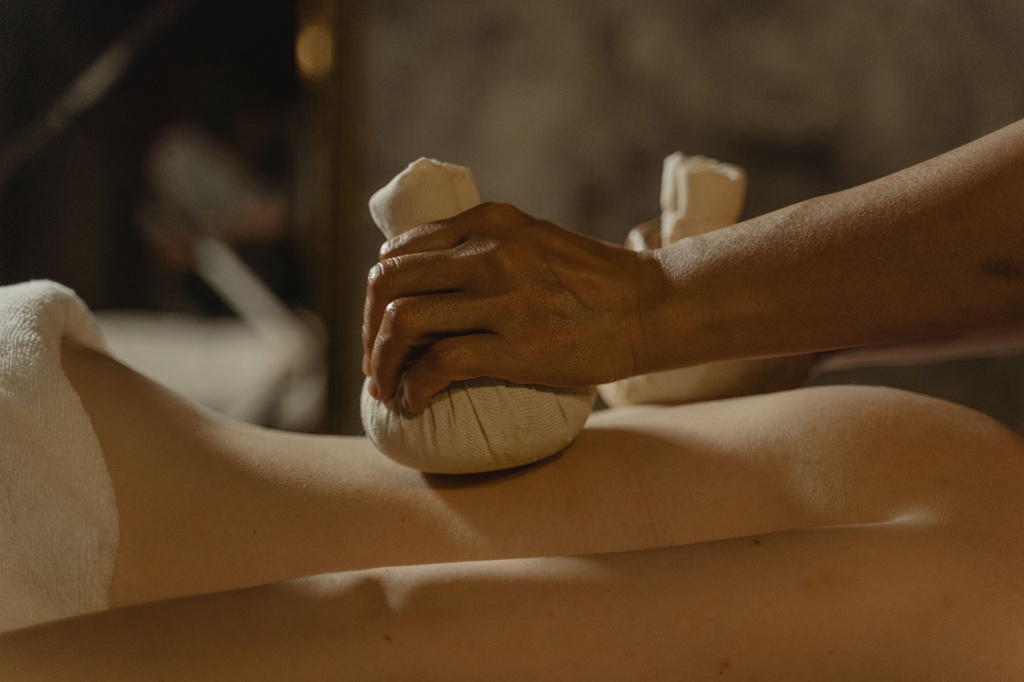
Heat cold therapy: how they differ
The comparison between heat cold therapy approaches is one of the most frequent questions people have when trying to decide what to use and when.
The short version is that heat and cold tend to be suited to different situations. Heat is most often associated with stiffness, chronic tension, muscle tightness, and the desire for comfort and relaxation. It is generally considered more appropriate when there is no active swelling or acute inflammation.
Cold, on the other hand, is more commonly used in the early stages after a sudden strain, impact, or irritation, when cooling the area may help manage the initial response. Cold tends to produce a numbing, reducing effect rather than a warming, relaxing one.
In practice, the choice between the two often comes down to the nature of the discomfort. If something feels chronically stiff or tense, heat is usually the more instinctive and comfortable option. If something has been suddenly hurt or feels swollen and hot, cold tends to be the more appropriate first response. These are general principles rather than hard rules, and individual responses vary.
Ice heat therapy: when people alternate between the two
Some people use ice heat therapy as a combined approach, alternating between cold and warmth at different stages of discomfort or recovery. The idea is that each offers something different: cold may help manage initial irritation or swelling, while heat can be introduced later to support relaxation and ease residual stiffness.
This kind of alternating approach is something that athletes, physiotherapists, and wellness practitioners sometimes use, though the specific timing and application vary considerably depending on the situation and the individual. It is not a universal protocol, and it is not always the right choice for every type of discomfort.
For everyday use, the most practical guidance is to pay attention to how the body responds. If heat feels soothing and brings comfort, that is usually a good signal. If cold is what feels right after a sudden strain, that instinct is also worth following. When in doubt about a specific injury or persistent complaint, speaking with a health professional is always the more reliable approach than experimenting with alternating temperatures at home.
Heat therapy, used thoughtfully and in appropriate situations, is one of the simplest and most accessible tools available for everyday physical comfort. It does not need to be complicated to be useful.