
If you've never been to a spa before, or if you've been once or twice but never quite felt sure you were doing it right, you're not alone. Knowing what to expect at a spa is one of those things most people don't talk about openly, which can make the whole experience feel more intimidating than it needs to be. The reality is usually much simpler and more welcoming than the glossy images suggest.
What to Expect at a Spa on Your First Visit
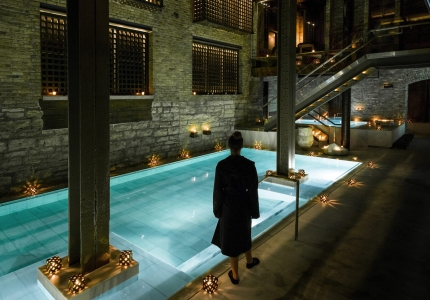
When you arrive, you'll check in at reception, where staff will explain what's included and show you around. You'll change in the locker room, leave your belongings, and put on a robe or swimwear depending on the spa.
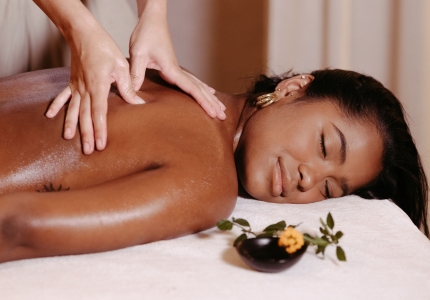
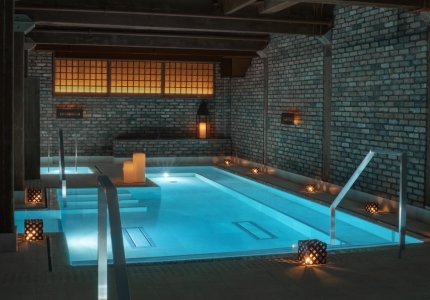
From there, the experience is largely self-guided. Most spas have water areas like pools or thermal baths, heat spaces like saunas or steam rooms, and quiet rest zones with loungers. You move through these at your own pace. If you've booked a treatment, a therapist will collect you at the scheduled time, explain everything beforehand, and return you to the communal areas afterwards.
The overall rhythm is slow and unhurried. Nobody is watching or judging. Most people are simply resting, warming up, cooling down, and enjoying the stillness.
What to Expect from a Spa Day
A full spa day is more than the sum of its facilities. Understanding what to expect from a spa day helps you arrive with the right mindset rather than feeling like you need to tick things off a list.
The experience typically unfolds in layers: warm pool to ease in, sauna or steam room for deeper heat, a cool plunge or shower, then rest, before repeating. This cycle of heat, cold, and rest is the heart of most thermal spa experiences.
The pace is deliberately different from everyday life. Lying still for twenty minutes in a warm room is not wasted time, it's the point. Many people find the first hour slightly unfamiliar simply because doing nothing feels unusual. That tends to pass quickly, and by the end most people feel noticeably quieter and more rested than when they arrived.
How to Prepare for a Spa Visit
A little preparation goes a long way, especially on a first visit:
-
Bring: swimwear, flip-flops, a hair tie if needed, and any personal toiletries you prefer
-
The spa usually provides: towels, robes, lockers, and basic toiletries, confirm in advance
-
Arrive a little early, especially if you have a treatment booked, so you can settle in without feeling rushed
-
Avoid a heavy meal beforehand, a light snack is fine, a full lunch before a sauna less so
-
Drink water throughout the visit; the heat is more dehydrating than it feels
-
Silence your phone, most spas ask for this in communal areas, and embracing it rather than resisting it tends to improve the experience considerably

What to Expect at a Korean Spa
For readers specifically curious about what to expect at a Korean spa, it's worth knowing the experience can feel quite different from a typical Western spa.
Korean spas, known as jjimjilbang, are communal spaces where bathing, resting, and socialising happen together. Bathing areas are gender-separated and visited without swimwear, a different cultural relationship with shared spaces that feels completely natural once you're there. Most Korean spas also have co-ed areas where people wear provided shorts and T-shirts and move between dry heat rooms, rest areas, and food spaces. People often spend an entire day.
Treatments commonly include vigorous exfoliation scrubs using Italy towels, more intense than typical Western treatments but deeply effective. Going in knowing these basics means you can relax into the experience rather than feeling caught off guard.
How to Make the Most of Your Visit
A few habits tend to make a real difference:
Don't rush. The value of a spa comes from slowing down. Fifteen minutes in a warm pool is more useful than two minutes in every facility.
Follow the heat-rest cycle. Alternate between heat and rest rather than staying in a sauna until you feel uncomfortable. That rhythm is where most of the benefit lies.
Put the phone away. Not as a rule, as a gift to yourself. A spa is one of the few environments that genuinely supports being present.
Let the pace be slower than usual. Lying quietly between sessions, closing your eyes in a rest room, sitting with a warm drink and nothing particular to do, that's not wasting time. It's what the experience is for.
Most people leave a spa wondering why they don't do it more often. That's usually enough of a recommendation.