

Muscle pain has a way of making itself very present, whether it's the familiar ache after a hard workout, the tension that builds up after hours at a desk, or the kind of stiffness that greets you first thing in the morning. Knowing how to relieve muscle pain effectively can make a real difference to how you feel day to day, and the good news is that most everyday muscle discomfort responds well to simple, accessible techniques you can apply at home. This guide covers practical options for common situations, without overpromising or overcomplicating things.
Common Causes of Muscle Pain
Before reaching for a solution, it helps to understand what's behind the discomfort. Most everyday muscle pain has a fairly straightforward explanation and recognising it makes it easier to respond sensibly.
Some of the most common causes include:
- Exercise and physical effort: especially when the body isn't used to a particular movement, or when intensity has been higher than usual. The delayed soreness that appears 24–48 hours after training is a normal part of the adaptation process.
- Inactivity and prolonged sitting: staying in one position for too long causes muscles to stiffen and tighten, particularly in the neck, shoulders, and lower back.
- Tension and stress: the body holds stress in the muscles, often without us realising it. The jaw, the upper back, and the shoulders are particularly common storage points.
- Poor posture: habitual misalignment places uneven load on certain muscle groups, which can lead to chronic low-level discomfort over time.
- Dehydration: muscles need adequate fluid to function and recover. Low hydration levels can contribute to cramping, tightness, and general heaviness.
- Minor strains or overuse: small tears from sudden movements or repetitive effort are usually self-resolving, but they need time and appropriate care.
Most of these causes are common, manageable, and not a sign of anything serious. The body is communicating that something needs attention, rest, movement, hydration, or a change in habits. Listening to that signal calmly is usually the right first step.
How to Relieve Muscle Pain at Home
There's a lot you can do to support your muscles through everyday discomfort. The key is matching the remedy to the situation, not every approach works the same way for every type of pain.
Heat or cold. Knowing which to use
Heat relaxes tight muscles, improves local circulation, and eases stiffness. A warm compress, a hot water bottle, or a long shower can all help with tension, contractures, or chronic low-level discomfort. Heat works best when there's no active inflammation.
Cold, on the other hand, is more useful in the first 24–48 hours after a sudden strain or intense exercise, when there may be some inflammation involved. An ice pack wrapped in a cloth applied for 15–20 minutes can reduce swelling and take the edge off acute pain. Never apply ice directly to skin.
Gentle movement
Resting completely for days on end is rarely the most helpful response to muscle pain. Gentle movement, a short walk, some light stretching, or simply changing position regularly, keeps circulation active and prevents stiffness from deepening. The goal is not to push through pain, but to avoid letting the body seize up entirely.
Light stretching
Slow, held stretches targeting the affected area can release tension and improve the sense of ease in tight muscles. Hold each position for 20–30 seconds, breathe steadily, and never stretch to the point of sharp pain. This is about releasing, not forcing.
Massage
Gentle pressure applied to a sore muscle, with your hands, a foam roller, or a massage ball, can reduce local tension, improve blood flow, and provide meaningful relief. You don't need to see a professional every time: self-massage on accessible areas like the calves, thighs, or upper back can be genuinely effective.
In some cases, people also turn to more immersive environments designed around heat, water, and slow, intentional movement, such as those found in spaces like AIRE Ancient Baths, where the combination of temperature, buoyancy, and calm can support muscular relaxation in a different way.
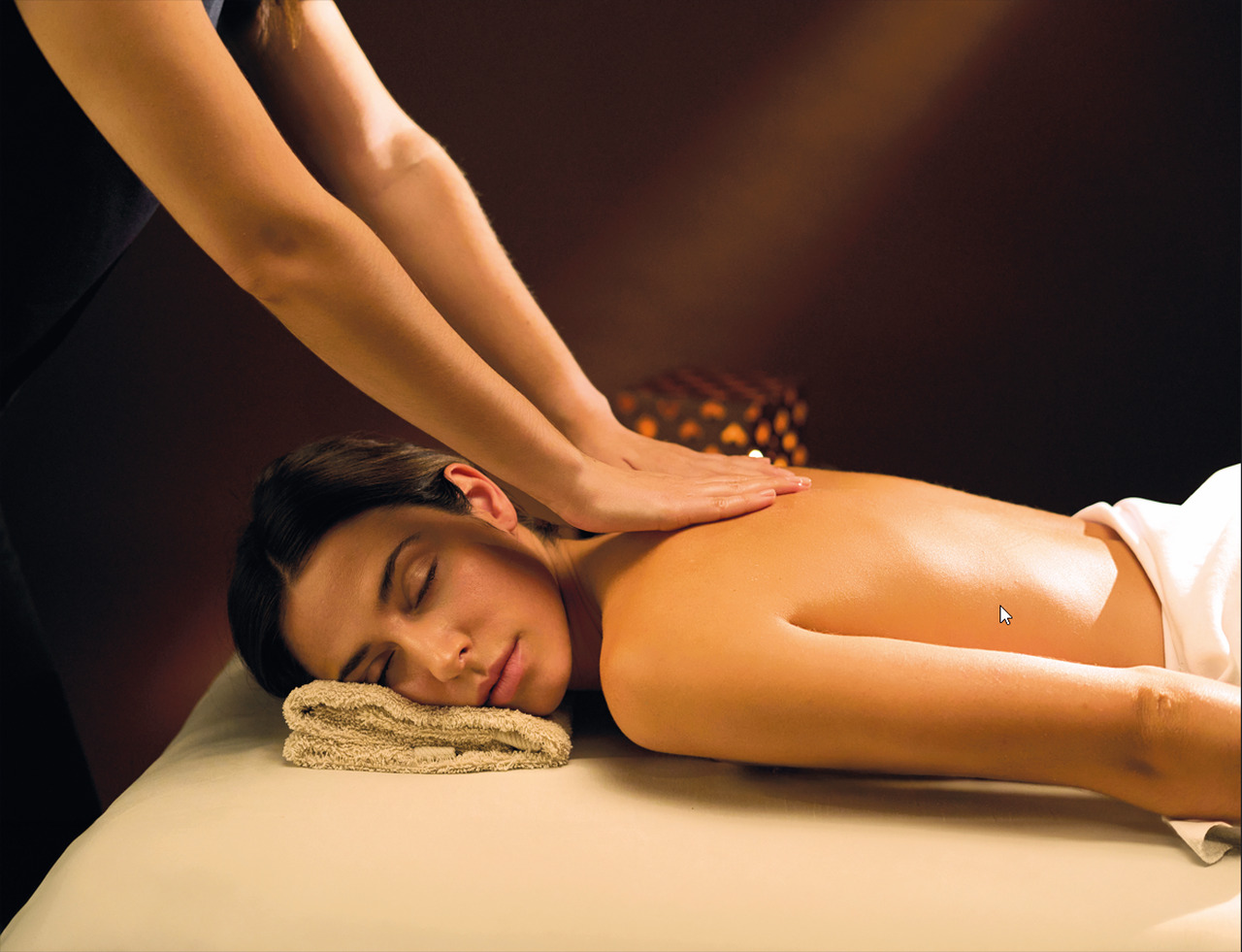
Deep Tissue Massage: Benefits, Techniques, and When to See a Professional
Hydration
One of the most underestimated remedies. Muscles are largely made of water, and they function and recover better when you're consistently well-hydrated. If aches and cramps are a recurring theme, look honestly at how much water you're drinking throughout the day, especially around exercise or in warm environments.
Sleep and rest
This one is easy to overlook but difficult to replace. Most of the body's repair work happens during sleep. If you're dealing with post-exercise soreness or general physical fatigue, prioritising a good night's rest is one of the most productive things you can do. Sleep isn't passive recovery, it's when a lot of the actual work gets done.
How to Get Rid of Leg Cramps
Leg cramps are in a category of their own. They can come on suddenly, often at night or during exercise, and the discomfort can be intense, even if it typically passes within a few minutes. Knowing how to get rid of leg cramps quickly is something most people find useful at some point.
In the moment:
- Stop whatever you're doing and try to stand if it's safe to do so
- Gently stretch the cramped muscle, for a calf cramp, flex your foot upward, pulling the toes toward you
- Massage the area with steady, firm pressure to help the muscle release
- Apply a warm compress once the cramp has eased, to soothe residual soreness
For prevention if cramps are a recurring issue:
- Drink more water consistently throughout the day, not just during exercise
- Include magnesium-rich foods in your diet, leafy greens, nuts, seeds, and wholegrains
- Stretch your calf muscles and hamstrings regularly, particularly before bed
- Warm up properly before physical activity and cool down gradually afterwards
- Avoid sitting or lying in positions that compress the legs for long periods
Occasional cramps are usually harmless and self-resolving. If they're happening frequently, are very severe, or affect areas beyond the legs, it's worth mentioning to a doctor.
How to Ease Lower Back Pain
Lower back discomfort is one of the most common forms of muscle pain, and it's closely tied to how most of us live, sitting for long hours, carrying stress in our bodies, and moving less than we probably should. The good news is that mild, everyday lower back tension often responds well to simple self-care.
Here are some practical approaches to how to ease lower back pain when it's muscular and low-level:
- Move more, sit less, long periods of sitting compress the lumbar spine and tighten the surrounding muscles. Getting up every 45–60 minutes for a short walk or a few gentle stretches can make a notable difference over the course of a day.
- Apply heat, a warm compress or hot water bottle on the lower back helps relax the muscles and increase blood flow to the area. Many people find this immediately soothing for tension-related discomfort.
- Try gentle mobility work, slow movements like pelvic tilts, cat-cow stretches, or lying knee-to-chest pulls can release tight lumbar muscles without any equipment or expertise.
- Check your posture and setup, if the pain tends to build over the day, your chair height, screen position, or sitting habits may be contributing. Small adjustments can reduce chronic load on the lower back considerably.
That said, lower back pain that is sudden, severe, follows an impact or trauma, or is accompanied by leg pain, numbness, or tingling warrants a visit to a healthcare professional rather than home care alone.
When Muscle Pain Needs Professional Attention
Most everyday muscle discomfort improves within a few days with the right care. But some situations call for a professional assessment rather than self-management. Look out for:
- Pain that is severe, getting worse rather than better, or has lasted more than five to seven days without improvement
- Visible swelling, heat, or redness around a specific area
- Significant loss of mobility or strength in the affected area
- Numbness, tingling, or weakness spreading beyond the sore muscle
- Muscle pain accompanied by fever or general illness
- Pain that followed a direct impact, fall, or sudden trauma
- Recurring cramps or pain with no obvious cause
Stress Relief Ideas: Simple Ways to Feel Calm and Balanced
These signs don't necessarily mean something serious is wrong, but they do mean the body is asking for more than home remedies can offer. A physiotherapist, GP, or sports medicine professional can give you a clear picture of what's happening and a recovery plan that's appropriate to the situation.
Everyday muscle pain is usually just the body asking for a little attention. Give it what it needs, rest, movement, warmth, hydration, and it will generally respond.