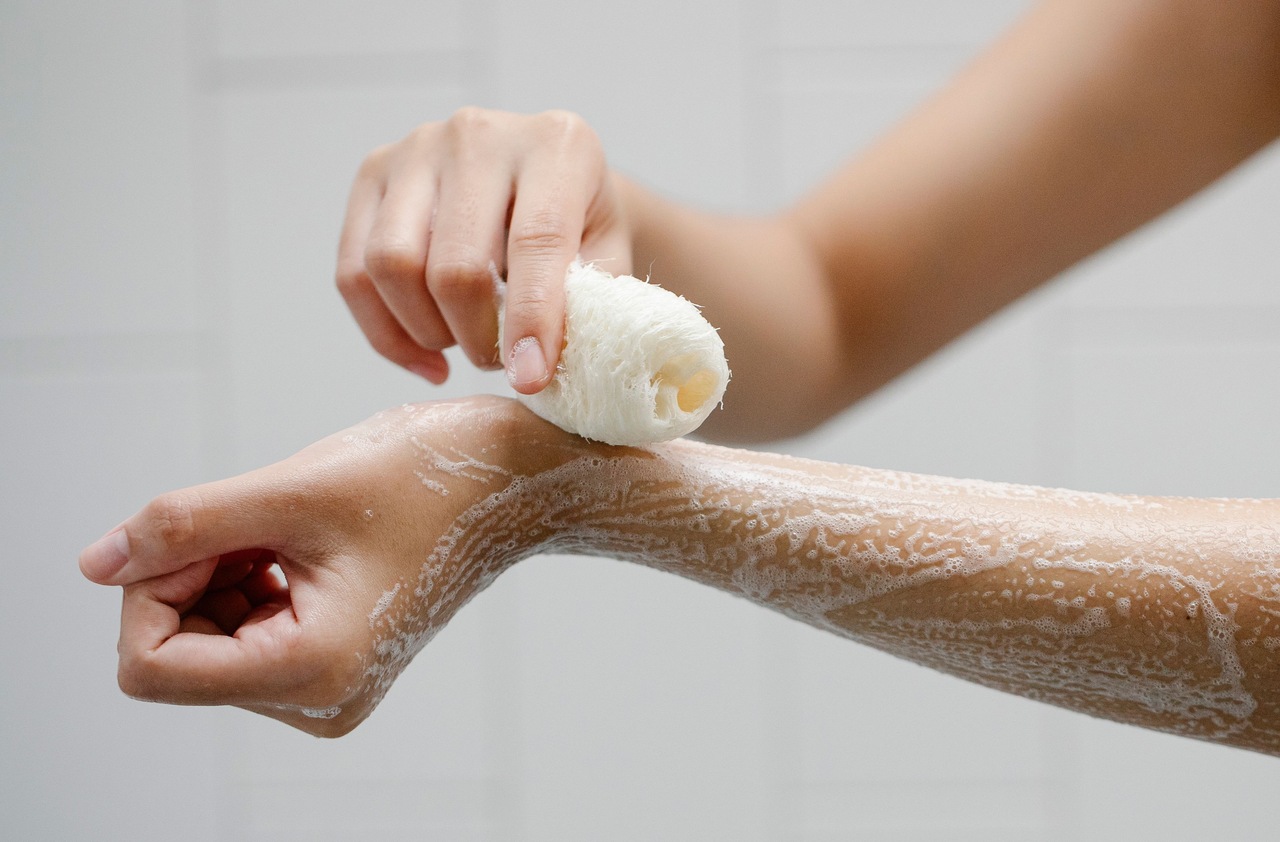


If you have ever used a loofah in the shower, you may have assumed it was some kind of sea sponge or a synthetic bath product. The answer is more interesting than either of those. What is luffa, exactly? It is a plant, a member of the gourd family, whose mature fruit dries into a fibrous structure that can be used as a natural bath sponge or scrubber. Luffa, also commonly spelled loofah, is entirely plant-based and biodegradable. And that is only part of the story, because young luffa is also eaten as a vegetable in several culinary traditions. This guide covers all three angles: the plant, the edible fruit, and the natural sponge.
Types of luffa and how it becomes a natural sponge
Luffa grows as a climbing vine, typically in warm climates, producing yellow flowers and long, gourd-like fruits that hang from the vine as they develop. There are two main types you are likely to encounter:
Smooth luffa
This is the more widely cultivated variety for sponge production. The fruit is cylindrical and smooth on the outside. When left to fully mature and dry on the vine, the outer skin yellows and eventually peels away to reveal the fibrous interior that makes up the sponge. The seeds are shaken out, the fibers are rinsed, and the luffa is left to dry completely before use.
Ridged or angled luffa
This variety has distinctive ridges running along the length of the fruit. It is less common as a sponge material but is widely used in cooking, particularly in Asian cuisines, when harvested young. Its texture when eaten is closer to a mild courgette or summer squash.
The process of turning a luffa into a sponge requires patience. The fruit needs to be left on the vine long enough to dry out fully, which can take several weeks depending on the climate. Once the outer skin is removed and the seeds are cleared, the remaining fibrous skeleton is the natural, plant-based sponge that ends up in bath and body routines. Because it is made entirely from a plant, luffa is fully biodegradable, which is one reason it has become increasingly popular as an alternative to synthetic bath accessories.
Luffa sponges and scrubbers: uses and benefits
The luffa sponge, sometimes written as loofah sponge, is one of the most widely used natural exfoliating sponges in bath and shower routines. Its fibrous texture makes it well suited for removing dead skin cells from the surface of the skin, leaving it feeling smoother and cleaner after use.
A luffa scrubber can be used with body wash, soap, or on its own with water. The level of exfoliation depends on how wet the sponge is and how much pressure is applied. A wet luffa softens considerably and provides a gentler experience than a dry one. For most people, a damp luffa with light pressure is enough to see the skin-smoothing effect without causing any irritation.
Some things worth keeping in mind when using a luffa sponge:
Rinse it thoroughly after every use to remove soap residue and skin cells. Squeeze out as much water as possible and let it dry completely between uses, ideally hanging in an area with good air circulation. A luffa that stays damp is more likely to develop bacteria or mold, which is why drying matters as much as rinsing.
Replace your luffa regularly. Most recommendations suggest changing it every three to four weeks with regular use. As a natural material, it will begin to break down over time, and a worn luffa is less effective and less hygienic than a fresh one. The good news is that, unlike synthetic alternatives, a used luffa can be composted rather than thrown in the bin.
Avoid using a luffa on broken, irritated, or very sensitive skin. The texture that makes it effective for exfoliation can feel too rough on areas that need more gentle care.
Luffa vegetable: can you eat luffa?
Yes, and in many parts of the world, luffa vegetable is a regular ingredient in home cooking. The key is harvesting it young, before the fruit matures and the interior dries into the fibrous structure used for sponges. When picked at an early stage, luffa has a soft, mild flesh with a texture that is often compared to courgette or summer squash.
Young luffa is used in a variety of dishes across Asian cuisines, particularly in Chinese, Indian, Vietnamese, and Filipino cooking. It works well in soups, stir-fries, and sauteed preparations, absorbing flavours from broths and sauces easily because of its mild taste. It can also be stuffed or added to curries depending on the recipe.
Nutritionally, young luffa contains water, some dietary fibre, and modest amounts of vitamins and minerals, though specific claims about its nutritional content should always be checked against reliable sources rather than taken at face value. As with many vegetables, it contributes to a varied diet without being a particularly concentrated source of any single nutrient.
The most important distinction to keep in mind is the stage of harvest. Edible luffa is young luffa. Mature luffa, left to dry fully on the vine, is no longer suitable for eating, but it is the stage at which it becomes a sponge.
Luffa in a wellness experience
Luffa fits naturally into the kind of body care that prioritises natural materials, mindful rituals, and conscious choices about what goes on the skin. As a plant-based, biodegradable alternative to synthetic exfoliating products, it aligns with a broader interest in wellness routines that are both effective and lower in environmental impact.
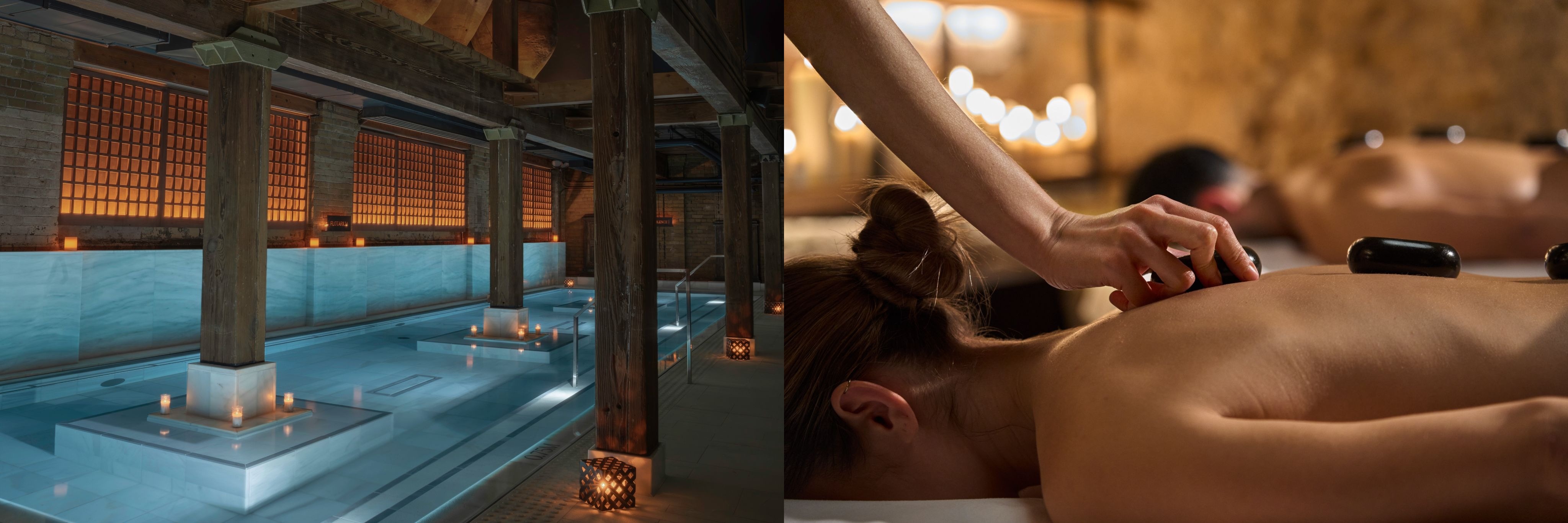
In spa and bathing contexts, luffa scrubbers are sometimes used as part of body exfoliation treatments, either before a massage to prepare the skin or as part of a standalone ritual focused on cleansing and skin renewal. The combination of warm water, natural exfoliation, and time dedicated to the body has a quality that many people find grounding and restorative, particularly when it is part of a broader thermal or spa experience.
AIRE Ancient Baths includes body treatments and rituals in its offering at several locations. For anyone curious about incorporating natural exfoliation into a more complete wellness experience, it may be worth exploring what is currently available directly with the centre.
Frequently asked questions about luffa
What is luffa made from?
Luffa is made from the dried, fibrous interior of the mature luffa plant fruit. It is entirely plant-based and biodegradable, making it a natural alternative to synthetic bath sponges and scrubbers.
Is luffa a plant or a sponge?
It is both, depending on the stage of the fruit. Luffa is a plant from the gourd family. When its fruit matures and dries, the fibrous skeleton inside becomes the natural sponge commonly used in bath routines.
Can you eat luffa vegetable?
Yes. Young luffa, harvested before it matures and dries, can be eaten as a vegetable. It is used in soups, stir-fries, and other cooked dishes across several Asian cuisines. Mature luffa, which has dried into a fibrous structure, is not suitable for eating.
How do you use a luffa sponge?
Wet the luffa with warm water before use to soften it. Apply body wash or soap if desired and use gentle circular motions on the skin. Rinse the sponge thoroughly after each use, squeeze out excess water, and allow it to dry completely between sessions. Replace it every three to four weeks.
Is luffa biodegradable?
Yes. Because luffa is made entirely from a plant, it breaks down naturally and can be composted at the end of its life. This makes it a more sustainable choice compared to synthetic bath sponges, which are typically made from plastic or foam materials that do not biodegrade.