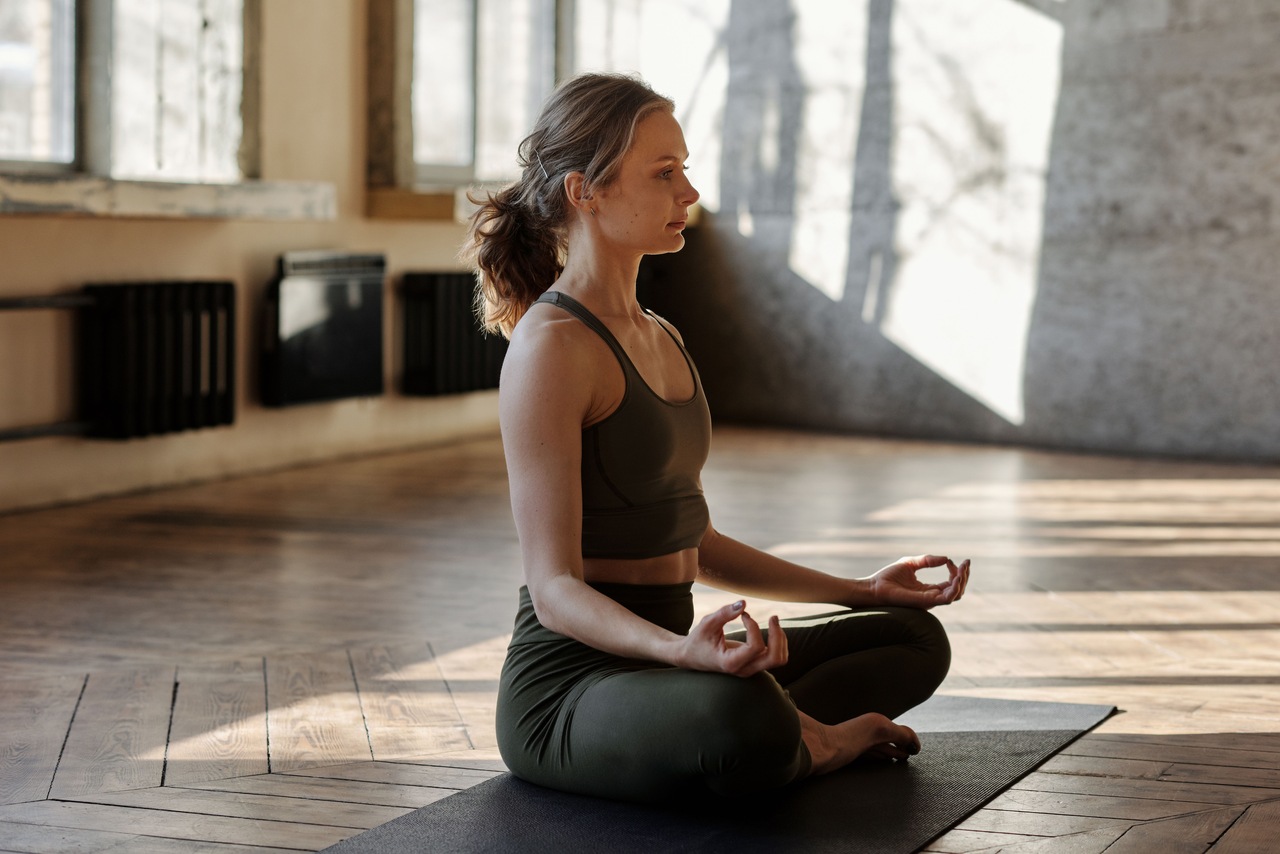


Of all the tools available for building a more present and settled mind, breathing is the most immediate. Breathing techniques for mindfulness have become a starting point for millions of people precisely because they require nothing, can be done anywhere, and produce results that are noticeable even in the first attempt. This guide explains why breath is such a powerful anchor for attention, introduces a few simple techniques you can try today, and shows how to bring them into ordinary life without making it complicated.
Why breathing is such a powerful mindfulness tool
Breath has one quality that no other mindfulness anchor shares: it is always happening. You do not need to set aside time to find it or create the right conditions for it to appear. It is there when you wake up, when you are stuck in traffic, when a meeting runs long, when you cannot sleep. That constant availability is what makes it so useful.
When attention drifts, as it inevitably does, breath gives it somewhere to return to. This is the core of most breath-based mindfulness practice: not the absence of distraction, but the repeated, gentle act of noticing that your mind has wandered and bringing it back. The breath is a reliable anchor in the present moment because it is happening right now, not in memory or anticipation.
There is also something physically grounding about deliberate breathing. Slowing the breath down tends to have a calming effect on the nervous system, which is why even a few slow, conscious breaths can shift how a moment feels. You do not need to understand the mechanism for it to work.
Breathing techniques for mindfulness you can try anywhere
These breathing techniques for mindfulness are chosen for their simplicity. None of them require special equipment, a particular posture, or prior experience. Try them one at a time and notice which feels most natural.
Slow belly breathing
Place one hand on your stomach. Breathe in slowly through your nose, letting your belly rise rather than your chest. Hold for a moment, then exhale slowly through your mouth. Aim for an exhale that is slightly longer than your inhale. Repeat for two to three minutes. This is one of the most accessible techniques and works well as a starting point.
Box breathing
Inhale for four counts. Hold for four counts. Exhale for four counts. Hold for four counts. Repeat the cycle four to six times. The equal structure of box breathing gives the mind something very simple to follow, which makes it particularly useful when thoughts are especially busy or scattered.
Counted breathing
Breathe naturally and count each exhale silently: one, two, three, up to ten. When you reach ten, start again at one. If you lose count or the mind wanders, simply start again at one without frustration. This technique is especially good for building concentration and noticing when attention drifts.
Simple breath observation
Without changing anything about how you breathe, simply observe the breath as it is. Notice the sensation of air entering the nose, the rise of the chest or belly, the pause at the top, the slow release of the exhale. This is the most minimal form of breath-based mindfulness and can be practiced for as little as one minute.
Mindful breathing techniques for everyday stress
One of the most practical things about mindful breathing techniques is that they can be inserted into moments that already exist in your day, rather than requiring you to carve out separate time.
- Before a difficult conversation: two or three slow breaths can bring you into the moment and reduce the reactive quality that often makes these situations harder than they need to be.
- When you feel rushed or overwhelmed: pausing for sixty seconds of slow belly breathing creates a small reset that is often enough to lower the sense of pressure and help you prioritise more clearly.
- At the start of a commute: using the first few minutes of a journey for counted breathing, rather than reaching for a phone, sets a different tone for the day.
- After work, before switching into personal time: a short breathing practice at the transition between work and home can help separate the two mentally, which many people find surprisingly useful.
- Before sleep: slow, deliberate breathing with an extended exhale signals to the body that the day is ending and the nervous system can begin to settle.
None of these require significant time. The value is in the regularity and the intention, not the duration.

Anxiety and breathing techniques: how they relate
The connection between anxiety and breathing techniques is one that many people explore, often because they have heard that breath can help in moments of tension or mental overload.
It is worth being clear about what breathing practices can and cannot do. They are not a treatment for anxiety disorders or any other mental health condition, and they should not be presented as such. If you are dealing with persistent or significant anxiety, speaking with a qualified professional is the appropriate step, and breathing exercises work best as part of a broader approach to wellbeing rather than as a standalone solution.
That said, many people find that slow, deliberate breathing is a useful grounding tool in moments of everyday tension: the kind of tight, scattered feeling that comes before a presentation, in the middle of a difficult day, or when the mind will not quiet down at night. In these moments, the physical act of slowing the breath can create enough of a pause to interrupt the cycle of reactive thinking and bring some steadiness back.
The key is to approach it as a practical habit rather than an emergency measure. Breathing techniques practiced regularly in ordinary moments tend to be more accessible when you actually need them, because the nervous system has already learned the pattern.
How to build a simple breath-based mindfulness habit
The most sustainable approach to breath-based mindfulness is not a rigid daily practice but a loose, flexible intention that can adapt to real life.
One minute before starting work in the morning is enough to create a clear beginning to the day. Three breaths before opening email. A pause between meetings rather than an immediate transition. A short breathing practice before bed instead of scrolling. These are small anchors, not ambitious programs.
It also helps to let go of the idea that each practice needs to go well. Sometimes the mind settles quickly; sometimes it does not. Both outcomes are fine. The value of breath-based mindfulness is not in achieving a particular state but in building the habit of returning attention to the present, again and again, in small moments across the day.
Start with one technique, practice it in one specific context, and repeat it consistently for a week before adding anything else. That is usually enough to begin noticing the difference.