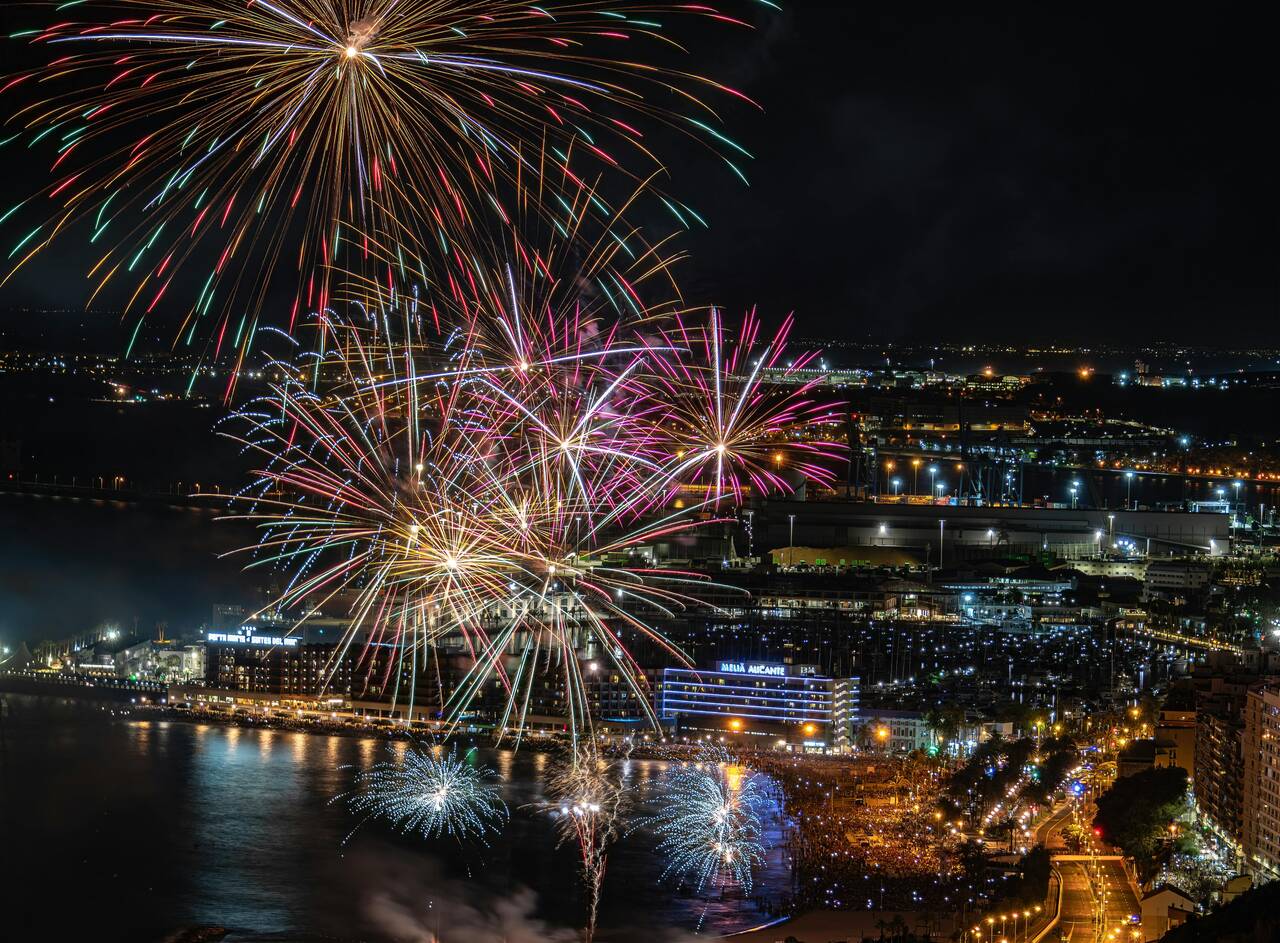


There are few nights in the Spanish calendar that feel quite like this one. San Juan in Spain is celebrated on the night of 23rd June, the eve of the feast of Saint John the Baptist, and it coincides with the summer solstice, making it one of those rare occasions where history, culture, and collective joy all meet on a beach at midnight. If you happen to be in Spain in late June, this is a night worth staying up for.
What San Juan Night Is and Why It Matters
San Juan night sits at the intersection of several traditions that run deep in Spanish culture. The official religious element, the feast of Saint John, is ancient, and the celebration that has grown around it over centuries reflects how deeply embedded the night is in the Spanish calendar.
Fire is at the heart of it. Bonfires lit on beaches and in public squares are the defining visual of the night, spectacular, communal, and atmospheric. You’ll see people gathered around them in large groups, the flames reflected on the water, the smell of burning wood mixing with salt air. It’s a striking sight, and one that gives the night much of its distinctive character.
Water plays a role too. In many coastal regions, bathing in the sea at midnight is a popular tradition on this night, and the combination of fire on the beach and people swimming in the dark gives the celebration a particular atmosphere.
How San Juan Is Celebrated Across Spain
The night tends to follow a recognisable shape, though the details shift depending on where you are.
In coastal cities, beaches fill from early evening. Families arrive with coolers, blankets, etc. Groups of friends claim patches of sand near bonfires, in some places managed by the local council, in others more spontaneous. Children chase each other around the flames while adults eat and talk, and as midnight approaches, the noise level rises considerably. Fireworks go up over the water. In some regions, large effigies stuffed with straw or old clothes are burned as a theatrical centrepiece to the night’s festivities.
In the north of Spain, particularly in Galicia, the celebration has a particularly strong character. The cacharelas, large bonfires, burn in town squares and on beaches, and the atmosphere in smaller towns and villages has a rootedness that feels distinct from the larger city celebrations.
In Valencia, Alicante, and the Balearic Islands, the night feels more Mediterranean, long tables of food, music until dawn, fireworks over the sea. In Barcelona, the neighbourhood celebrations take place Gràcia and along the beaches of Barceloneta.

Things to Do in San Juan at Night
If you’re visiting Spain around the 23rd of June and want to experience the celebration fully, here are some things to do in San Juan at night:
Find a beach bonfire area. In most coastal cities, the local council designates specific beach areas where bonfires are permitted and managed. Head there early, from around 9 or 10pm, to secure a good spot and settle in before the crowds peak.
Watch the fireworks. Most coastal municipalities put on a fireworks display somewhere around midnight. Find a spot on the seafront or on a hill with a view.
Eat well. San Juan is very much a food occasion. Look for coca de Sant Joan, a flat, sweet pastry typical in Catalonia and Valencia, usually topped with candied fruit or pine nuts, at bakeries in the days around the celebration.
Simply observe. If you’d rather watch than participate, that’s entirely valid. The beach atmosphere on San Juan night is vivid enough to enjoy from a blanket with something warm to drink.
Sensory Experiences: The Art of Connecting with Your Senses
Tips for Enjoying San Juan Safely and Respectfully
San Juan is wonderful, but some practical awareness goes a long way:
Get there early. Beaches, public transport, and nearby streets fill up quickly. Arriving before 10pm gives you time to find a good spot and settle in without the crush.
Check local council guidance. Rules about bonfires vary considerably by city and year. In some places only designated council fires are permitted; in others private bonfires are allowed in certain zones. Check the local ayuntamiento website or ask your accommodation before assuming anything.
Be careful around fire. Bonfires on a busy beach involve a lot of people. Keep a sensible distance, supervise children closely, and don’t add anything unexpected to the flames.
Dress for the beach at night. Even in late June, coastal temperatures can drop after midnight. Bring a layer, a light jacket or a jumper you don’t mind getting sandy.
Plan your way home in advance. Public transport runs later on San Juan night in most cities, but it fills up fast. Check schedules in advance, and consider walking if you’re within a reasonable distance of your accommodation.
Respect the space. Take your rubbish with you or use the bins provided. Spanish beaches are generally well maintained, and the morning after San Juan is a significant clean-up operation for local councils. Leave the beach roughly as you found it.
Escape and Recharge: The Best Destinations to Travel for Relaxation
Best Places to Experience San Juan in Spain
While the celebration happens across the country, some destinations have a particularly strong San Juan atmosphere:
A Coruña (Galicia), one of the most celebrated San Juan cities in Spain, with enormous bonfires, deep-rooted local traditions.
Alicante, home to Las Hogueras de San Juan, a multi-day festival that builds up to the 24th with giant artistic effigies that are eventually burned.
Barcelona, the beaches along the Barceloneta and the neighbourhood celebrations in Gràcia offer a particular experience, with fireworks over the sea.
Valencia and the Balearic Islands, long, food-centred evenings with strong community traditions and a warm Mediterranean backdrop.
San Sebastián, a more intimate version of the celebration in a city where the food, the setting, and the local culture are already exceptional.